

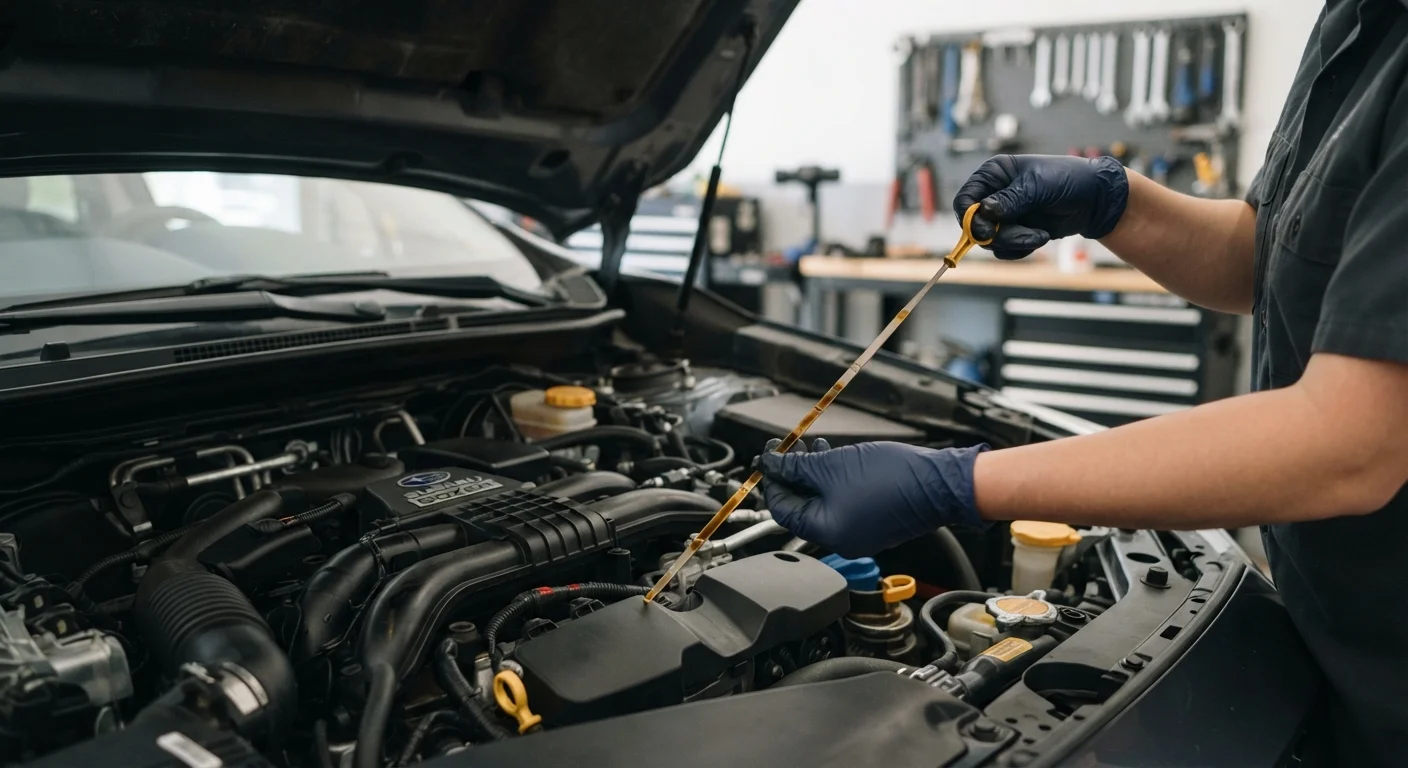
Key Takeaways
- Regular oil changes protect the engine from wear and overheating, avoiding repairs that can cost thousands.
- Tyre rotations extend tread life evenly and reduce the risk of dangerous blowouts on the road.
- Checking brake fluid, coolant, and transmission fluid regularly helps catch system failures early.
- Following your vehicle's manufacturer-recommended service intervals is the most reliable maintenance guide.
- Small, consistent upkeep tasks almost always cost far less than the repairs they prevent.
Why Routine Maintenance Is an Investment, Not an Expense
Many drivers treat scheduled maintenance as optional - something to defer until the budget clears or a warning light appears. In practice, skipping these tasks rarely saves money. Deferred maintenance compounds: a worn belt that costs little to replace can snap and destroy an engine worth thousands. The long-term cost of skipping routine maintenance follows a predictable pattern - minor neglect leads to major expense.
The good news is that the most protective tasks are also the most straightforward. You don't need advanced mechanical knowledge to understand what needs doing and when. Your vehicle's owner's manual is the primary source for service intervals specific to your make and model - treat it as your maintenance calendar.
Change engine oil and the oil filter at manufacturer-recommended intervals.
Engine oil lubricates moving parts and draws heat away from the engine. As it ages, it breaks down and accumulates contaminants that accelerate wear. Dirty oil can lead to sludge buildup, overheating, and ultimately engine failure - one of the most costly repairs a driver can face.
Rotate tyres every 5,000-7,500 miles or as specified in your owner's manual.
Front and rear tyres wear at different rates depending on drivetrain layout and driving habits. Uneven wear shortens tyre life, reduces fuel efficiency, and increases blowout risk. Rotation distributes wear evenly, extending the usable life of all four tyres.
Inspect and replace air filters - both engine and cabin - on schedule.
A clogged engine air filter restricts airflow, reducing combustion efficiency and potentially causing the engine to run rich (using more fuel than necessary). A blocked cabin filter reduces HVAC effectiveness and air quality inside the vehicle.
Check brake pads, rotors, and brake fluid at every service visit.
Brakes are a primary safety system. Worn pads that grind against rotors cause rotor damage - turning a low-cost pad replacement into a much more expensive rotor and pad job. Degraded brake fluid absorbs moisture over time, lowering its boiling point and reducing braking performance.
Monitor coolant levels and have the cooling system flushed per the service schedule.
Coolant (antifreeze) regulates engine temperature and prevents both overheating and freeze damage. Over time, coolant degrades and becomes acidic, which can corrode internal components. Overheating is one of the leading causes of serious engine damage.
Replace spark plugs and inspect ignition components at the intervals your vehicle specifies.
Worn spark plugs cause misfires, rough idling, reduced fuel efficiency, and increased emissions. Left long enough, misfires can damage the catalytic converter - a component that is considerably more expensive to replace than a set of plugs.
Core Tasks Every Driver Should Prioritise
Across all vehicle types, a handful of maintenance tasks consistently prevent the most expensive failures. Understanding what each one does - and what happens when it's skipped - makes it easier to stay on schedule. For a complete overview of all major tasks, see the complete guide to car maintenance.
If you're unsure how to check your own fluids, the fluid checks every driver should know guide walks through each reservoir, what healthy fluid looks like, and how often to inspect.
Knowing When to DIY and When to See a Mechanic
Some maintenance tasks - checking tyre pressure, topping up windshield washer fluid, visually inspecting wiper blades - are genuinely straightforward for most drivers. Others involve safety-critical systems where an error can cause real harm. Brake work, suspension components, and anything involving the fuel system should generally be handled by a qualified mechanic.
When in Doubt, Consult a Qualified Mechanic
Any work involving brakes, suspension, steering, fuel systems, or airbag components should be handled by a licensed professional. These systems directly affect vehicle safety, and errors can have serious consequences. If you're unsure whether a task is within your skill level, erring on the side of professional service is always the safer choice.
Even for tasks you feel confident about, understanding why DIY car maintenance has clear limits helps you set realistic boundaries. A mistake on an oil change - such as using the wrong filter or overfilling the sump - can cause engine damage that costs far more than a professional service. See why DIY oil changes go wrong and how to prevent it for common errors to avoid.
Building consistent maintenance habits - including keeping records of every service - protects your vehicle's value and gives any mechanic a clear picture of its history. For broader guidance, keeping a vehicle in good shape over time covers the everyday habits that make the biggest difference.