

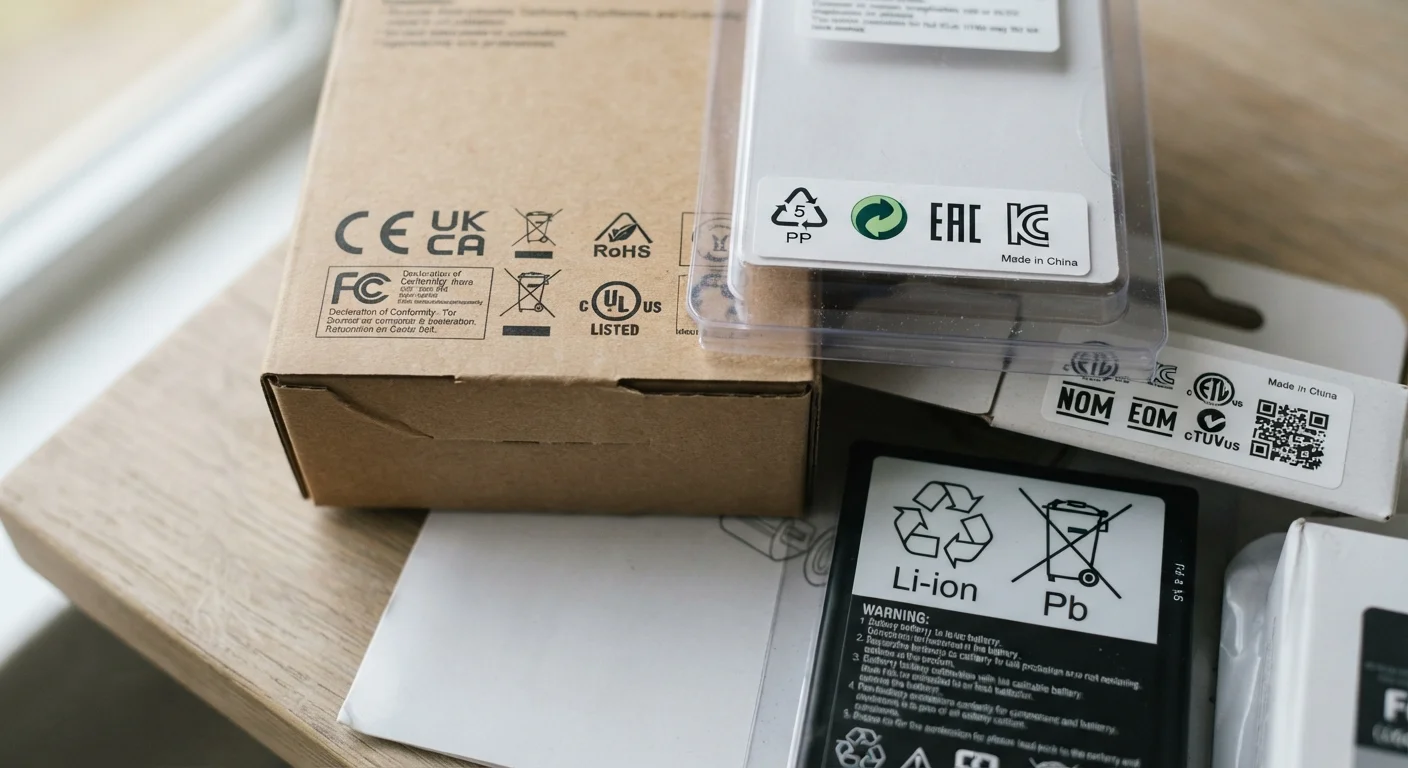
Why Certification Marks Matter to Shoppers
Walk through any store or scroll any product listing and you'll encounter a dense cluster of logos, acronyms, and symbols. CE. UL Listed. ISO 9001. FSC. ENERGY STAR. These aren't decorative — each one is supposed to communicate that an independent party has verified something specific about that product. The problem is that without context, they're nearly meaningless to most shoppers.
Understanding what a mark actually verifies helps you distinguish genuine quality signals from marketing noise. As our guide on what product labels really tell you about quality explains, many quality claims are unregulated — certifications are one of the few exceptions, provided you know what was actually tested.
Common Marks Decoded
CE Mark
The CE mark indicates that a product meets European Union health, safety, and environmental requirements. Critically, it is a self-declaration by the manufacturer in many product categories — not always independently verified. It is required to sell covered products within the EEA, but its presence alone doesn't confirm third-party testing occurred.
UL Listed / UL Certified
Marks issued by UL Solutions indicate a product has been independently tested against established safety standards — primarily for electrical and fire safety in the US market. UL is an accredited, third-party certification body, making this mark more rigorous than a self-declaration. You can verify specific certificates in UL's public database.
ISO Standards
ISO (International Organization for Standardization) develops internationally agreed standards, but ISO itself does not certify products. When a company claims ISO 9001 (quality management) or ISO 14001 (environmental management), it means an accredited third-party auditor has certified that the company's processes meet ISO requirements — not necessarily any specific product.
ENERGY STAR
Administered by the US EPA, ENERGY STAR certification indicates a product meets specific energy efficiency criteria. Products are tested by EPA-recognized labs, and the agency maintains a searchable database of certified models. It applies to appliances, electronics, lighting, and building materials.
USDA Organic
For food and agricultural products, the USDA Organic seal means at least 95% of ingredients were produced under the National Organic Program's federal standards, verified by an accredited certifier. The scope is specific: it addresses farming practices, not nutritional quality or taste.
FSC (Forest Stewardship Council)
The FSC mark on wood, paper, or packaging products indicates the material was sourced from forests managed to FSC's environmental and social standards. The chain-of-custody certification tracks material through every step of production. It's one of the most rigorous sustainability marks available for forest products.
Using Certifications as One Signal Among Many
Certifications are a reliable signal, but they have limits. Scope, recency, and the certifying body's credibility all affect their value. A mark from a well-known accredited body carries more weight than one issued by a lesser-known organization with no publicly searchable database. Always verify directly with the certifying body when the stakes are high.
For a fuller evaluation process, see the product evaluation checklist every shopper should keep handy — certifications fit into a broader picture alongside specs, reviews, and manufacturer claims. For a deeper look at why independent verification matters, manufacturer claims vs. independent testing walks through how self-reported data and third-party results often diverge.
When shopping online where you can't physically inspect packaging, checking a product's certifications against the issuing body's database is one of the most practical verification steps available. Our framework for evaluating products you can't touch covers how to apply this and related checks before committing to a purchase.