

Key Takeaways
- One-bag travel means fitting everything into a single carry-on sized bag, with no checked luggage.
- The approach works best for flexible, mobile trips — less well for formal events or long family travel.
- Avoiding checked bags can reduce costs and eliminate baggage-related delays at airports.
- Success depends on disciplined packing, versatile clothing choices, and realistic trip planning.
- One-bag travel is not an all-or-nothing commitment — partial adoption still delivers benefits.
No checked bag fees on any airline
Checked baggage fees vary by airline and route but can add $30–$70 per leg for domestic flights. Across a multi-city trip, avoiding them adds up to meaningful savings.
Skip baggage claim entirely
Walking straight off a plane without waiting at a carousel saves time on every single trip and eliminates the risk of delayed or lost luggage.
Greater mobility between destinations
A bag you can carry comfortably on your back opens up public transit, walking routes, and flexible accommodation — options that become awkward with large wheeled luggage.
Faster, lower-stress airport experience
One-bag travelers can use any security lane, board at any time, and exit airports significantly faster than travelers managing checked luggage logistics.
Forces smarter, more intentional packing
The constraint of one bag pushes travelers to think critically about what they genuinely need, which often leads to discovering they overpack by default.
Limited clothing and outfit variety
A 30-liter bag holds roughly four to six days of clothing even when packed efficiently. Trips requiring formal wear, multiple activity types, or extreme weather variations strain this hard.
Requires mid-trip laundry planning
Longer trips depend on finding laundromats, sink-washing items, or paying for hotel laundry — all of which take time and add a logistical layer some travelers find frustrating.
Not practical for families with young children
The gear demands of traveling with infants or toddlers — car seats, strollers, diapers, food — make strict one-bag travel unrealistic for most family configurations.
Higher upfront gear investment
Lightweight, packable, multi-use items that make one-bag travel comfortable often cost more than conventional clothing and luggage, which can be a barrier for occasional travelers.
Can feel restrictive for longer or multi-climate trips
A three-week trip spanning very different climates or activities creates real tension between packing light and being genuinely prepared for every situation.
Our Verdict
One-bag travel delivers real advantages in speed, cost savings, and travel freedom — but it requires honest self-assessment about your trip type, destination, and what you genuinely need. It is not a universal solution, and forcing it onto the wrong trip creates more stress than it removes.
Best for solo or couple travelers taking flexible trips of one to three weeks, especially those mixing transportation modes, visiting multiple cities, or working remotely while traveling.
What One-Bag Travel Actually Means
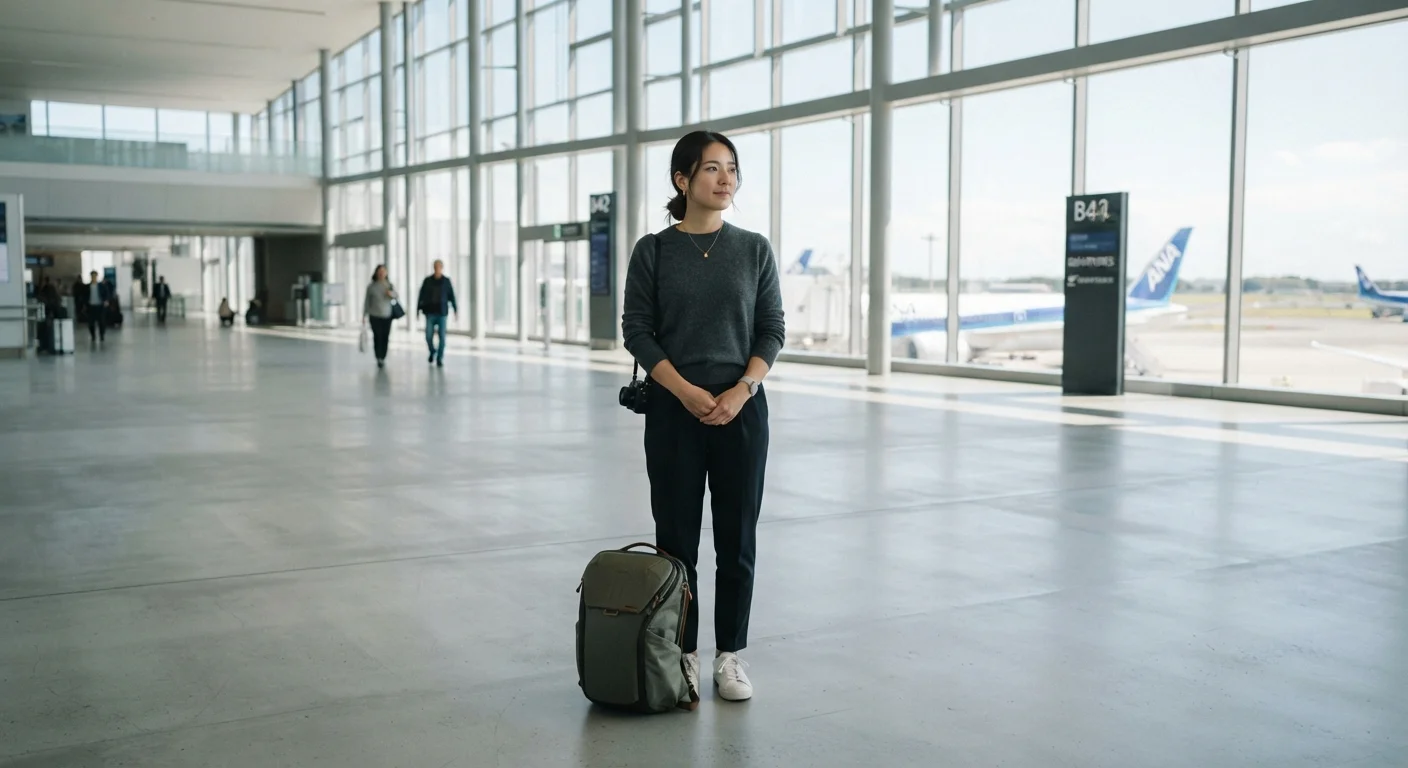
One-bag travel is exactly what it sounds like: you bring one bag, and that bag is everything you carry for the duration of the trip. No checked luggage, no personal item separate from your main bag — just a single pack, typically a carry-on or personal-item-sized backpack, that holds clothing, tech, toiletries, and whatever else you need.
The movement has a dedicated online community that has refined the practice into a near-art form. Participants obsess over lightweight fabrics, multi-use gear, and packing cubes — treating each item as something that must earn its place. The goal is not suffering through a trip with too little; it is traveling with exactly enough and nothing more.
One-bag travel differs from general carry-on travel. Many people avoid checked bags but still roll a full-size carry-on onto the plane. One-bag practitioners typically aim smaller — often a 20–40 liter backpack that fits under the seat or in overhead bins on even regional aircraft. This is the constraint that makes the philosophy genuinely demanding. For context on how bag choice shapes the whole travel experience, see Backpack vs. Rolling Bag.
The Real Advantages
Done well, one-bag travel removes friction from nearly every phase of a trip.
No checked bag fees on any airline
Checked baggage fees vary by airline and route but can add $30–$70 per leg for domestic flights. Across a multi-city trip, avoiding them adds up to meaningful savings.
Skip baggage claim entirely
Walking straight off a plane without waiting at a carousel saves time on every single trip and eliminates the risk of delayed or lost luggage.
Greater mobility between destinations
A bag you can carry comfortably on your back opens up public transit, walking routes, and flexible accommodation — options that become awkward with large wheeled luggage.
Faster, lower-stress airport experience
One-bag travelers can use any security lane, board at any time, and exit airports significantly faster than travelers managing checked luggage logistics.
Forces smarter, more intentional packing
The constraint of one bag pushes travelers to think critically about what they genuinely need, which often leads to discovering they overpack by default.
~30 min
Average time saved skipping baggage claim
Industry estimates suggest domestic travelers spend 20–40 minutes on average waiting at baggage carousels, time that one-bag travelers recover on every trip.
$60–$140
Round-trip checked bag cost on many US carriers
Most major US airlines charge $30–$70 per checked bag each way, making a round trip with one checked bag cost $60–$140 depending on airline and route.
The mobility gains are hard to overstate. When you can carry everything on your back through a train station, up a cobblestone hill, or onto a ferry, you are not at the mercy of luggage storage, bag drop queues, or hotel check-in times. You can pivot plans without logistics becoming a barrier.
This flexibility also links to cost savings. Most airlines charge for checked bags, and those fees accumulate quickly on multi-leg itineraries. Travelers who want to understand the broader picture of reducing travel costs can explore strategies for saving on travel.
Where It Falls Short
The cons of one-bag travel are real, and they matter more for some trips than others.
Limited clothing and outfit variety
A 30-liter bag holds roughly four to six days of clothing even when packed efficiently. Trips requiring formal wear, multiple activity types, or extreme weather variations strain this hard.
Requires mid-trip laundry planning
Longer trips depend on finding laundromats, sink-washing items, or paying for hotel laundry — all of which take time and add a logistical layer some travelers find frustrating.
Not practical for families with young children
The gear demands of traveling with infants or toddlers — car seats, strollers, diapers, food — make strict one-bag travel unrealistic for most family configurations.
Higher upfront gear investment
Lightweight, packable, multi-use items that make one-bag travel comfortable often cost more than conventional clothing and luggage, which can be a barrier for occasional travelers.
Can feel restrictive for longer or multi-climate trips
A three-week trip spanning very different climates or activities creates real tension between packing light and being genuinely prepared for every situation.
Climate and activity variety are the most common breaking points. A trip that spans cold mountains and a beach resort, or that includes a formal event alongside casual sightseeing, stretches a single small bag to its limit. You can pack merino wool and a wrinkle-resistant blazer, but there are natural limits to what 30 liters can hold.
Families with young children face a particular challenge. The gear requirements — strollers, car seats, entertainment items, formula, diapers — make strict one-bag travel impractical for most parents of toddlers and infants. This is not a failure of the philosophy; it is simply outside its design parameters.
Making It Work in Practice
The travelers who succeed with one bag consistently share a few habits. First, they plan their wardrobe around a cohesive color palette and layering, so every piece mixes with every other piece. Second, they audit ruthlessly before each trip, removing anything they did not use last time. Third, they lean on doing laundry mid-trip rather than packing for every single day.
Laundry Access While Traveling
Most urban hotels and hostels either have on-site laundry facilities or can direct you to a nearby laundromat. In many European and Asian cities, coin-operated laundromats are easy to find and inexpensive. Planning one laundry stop mid-trip can effectively double your wardrobe without adding a single item to your bag.
A capsule packing system — a curated, interchangeable set of clothing and gear — is the structural backbone of most successful one-bag setups. Building a capsule packing system walks through how to develop one that holds up across multiple trips and destinations.
It is also worth remembering that one-bag travel does not have to be absolute. Some travelers adopt the mindset for most trips but check a bag for the occasions that genuinely require it — a ski trip, a wedding abroad, an extended family vacation. Treating the philosophy as a default rather than a dogma tends to produce better outcomes. If you are new to intentional packing generally, travel packing for first-timers is a practical starting point before committing to any specific approach.