

Key Takeaways
- Apply mulch in spring after soil warms and again in autumn before frost to protect plant roots year-round.
- A 2-3 inch layer is optimal for most beds; too little underperforms and too much can suffocate roots.
- Organic mulches like shredded bark and compost improve soil structure as they break down over time.
- Always keep mulch a few inches away from plant stems and tree trunks to prevent rot and pest damage.
- Material choice should reflect your soil type, plant needs, and local climate conditions.
Why Mulching Matters More Than You Might Think
Mulching is one of the highest-return tasks in any home garden. A well-applied layer of mulch does three jobs simultaneously: it slows moisture evaporation from the soil surface, suppresses weed germination by blocking light, and moderates soil temperature swings that can stress plant roots. These aren't minor conveniences - in hot, dry summers or unpredictable spring weather, they can be the difference between a struggling bed and a thriving one.
Beyond those immediate benefits, organic mulches gradually decompose and feed soil biology. As microbes break down wood chips or straw, they enrich the soil with organic matter - similar in effect to adding finished compost to your beds. That slow, steady improvement compounds over seasons.
25-50%
Reduction in soil moisture loss with mulch
University cooperative extension programs consistently report that a 2-3 inch mulch layer can reduce evaporative water loss from soil by roughly 25-50% compared to bare soil.
Up to 70%
Weed reduction in mulched beds
Research from horticultural institutions suggests that an adequate mulch layer can suppress weed emergence by as much as 70% by blocking the light seeds need to germinate.
When to Mulch: Seasonal Timing That Makes a Difference
Timing mulch application correctly matters more than most gardeners realize. The two most effective windows are mid-to-late spring and autumn.
In spring, wait until the soil has warmed adequately before laying mulch. Applying too early traps cold in the ground and delays root activity. A simple finger-test - soil that feels comfortable rather than cold a few inches down - is a reliable indicator. Once temperatures stabilize, mulch helps hold that warmth and locks in early-season moisture before summer heat arrives.
Autumn mulching serves a different purpose: it insulates roots against freeze-thaw cycles that can heave perennials out of the ground. This is especially useful for newly planted shrubs and perennials heading into their first winter. For a broader view of what else belongs on your seasonal to-do list, see the year-round garden task reference.
Avoid mulching during prolonged wet spells or directly after heavy rain, as trapping excess moisture can encourage fungal problems at the soil surface.
Let Soil Warm Before You Mulch in Spring
Laying mulch too early in spring can keep soil cold longer, slowing plant establishment. In most US growing regions, a safe window is after the last expected frost date and once daytime soil temperatures have stabilized. If you're unsure, check with your local cooperative extension office for region-specific guidance.
Depth Guidelines: Finding the Right Amount
Depth is where many gardeners go wrong in both directions. Too little mulch - under 1.5 inches - lets weeds push through and evaporates quickly. Too much - over 4 inches - can mat down, repel water, deplete oxygen at the root zone, and create habitat for pests and fungal disease. That's a form of soil stress that compounds quietly over time, not unlike the soil-degrading habits that harm gardens gradually.
- 2-3 inches suits most ornamental beds with established plants.
- 3-4 inches works well for vegetable gardens or areas with aggressive weed pressure.
- 1-1.5 inches is appropriate around shallow-rooted plants or in beds prone to drainage issues.
Regardless of depth, always leave a clear gap - typically 2-3 inches - between mulch and the base of plant stems, shrubs, and tree trunks. Piling mulch against stems creates a moist, warm environment that promotes rot and can attract rodents seeking shelter.
Choosing the Right Mulch Material
Not all mulch performs the same way, and the right choice depends on your garden's conditions, aesthetic goals, and how much maintenance you want to do.
Use shredded bark or wood chips for ornamental beds and pathways.
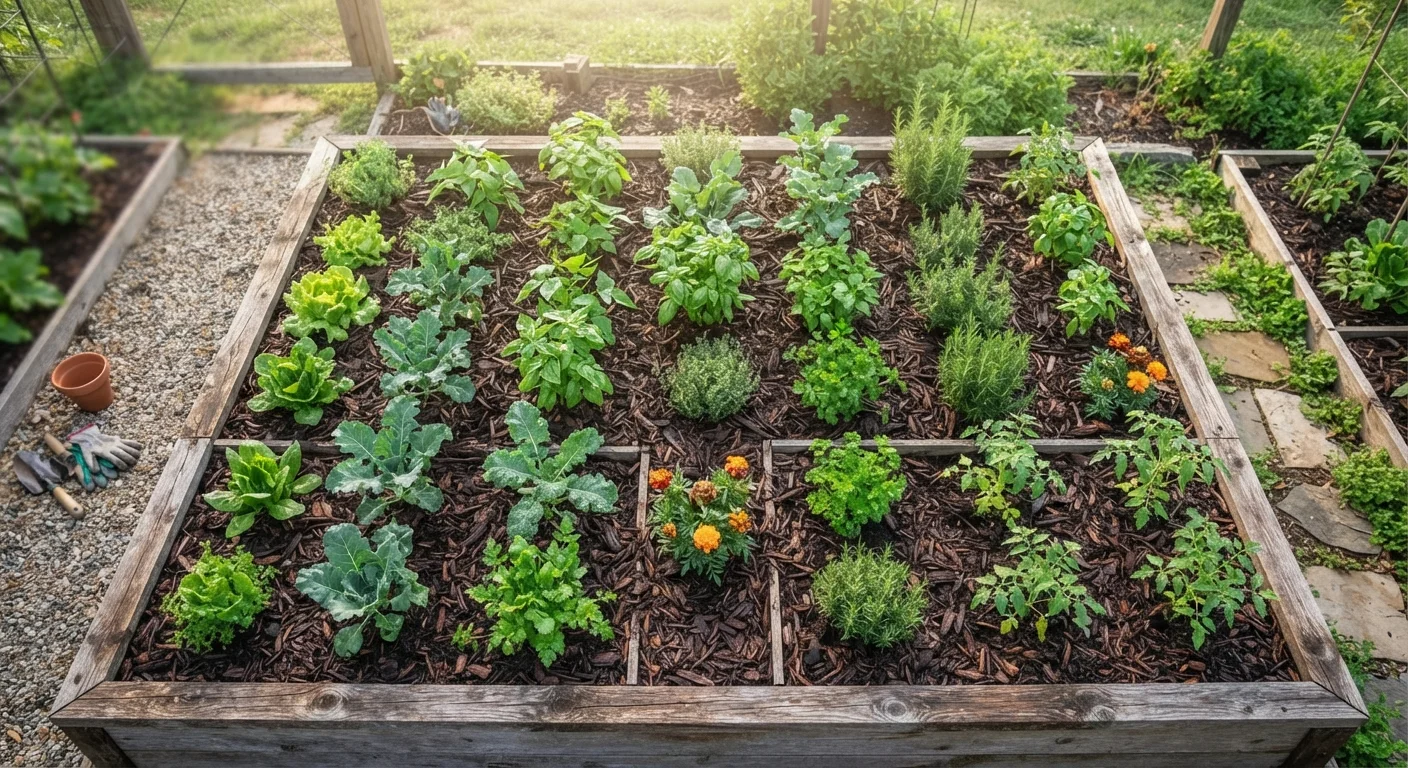
Shredded bark breaks down slowly, making it cost-effective and long-lasting. It stays in place reasonably well on slopes and gives beds a tidy, finished appearance. As it decomposes over one to two seasons, it adds modest organic matter to the soil.
Apply straw or untreated grass clippings to vegetable gardens.
Straw is lightweight, easy to move between rows, and breaks down within a single growing season - returning nutrients to the soil without tying up nitrogen. Grass clippings can serve a similar purpose if the lawn hasn't been treated with herbicides.
Use compost as a dual-purpose mulch and soil amendment in established beds.
Finished compost applied as a 1-2 inch top-dressing suppresses light weed growth while continuously feeding soil microbes. It's especially valuable in beds where you want to improve soil structure without tilling. It works best in beds where it won't wash away easily.
Choose gravel or crushed stone for drought-tolerant or Mediterranean-style plantings.
Inorganic mulches like gravel don't decompose, so they require no annual replenishment. They improve drainage around plants that dislike wet feet, reflect heat upward - which suits warm-season herbs and succulents - and virtually eliminate weed growth over landscape fabric.
Avoid dyed or treated wood mulch near edible plants.
Some commercially produced colored mulches use dyes or may contain wood from treated lumber. While regulations vary, it's prudent to avoid these products in vegetable and herb gardens until you can confirm the source material is safe for food-growing contexts.
If you're growing native species, matching your mulch to local organic materials can also support the soil ecology those plants evolved with. See our guide on native plants in everyday gardens for more context on building a regionally appropriate planting scheme.
Quick Wins: Simple Mulching Actions You Can Take Today
You don't need to overhaul your entire garden to start getting the benefits of good mulching. These practical steps make an immediate difference.