

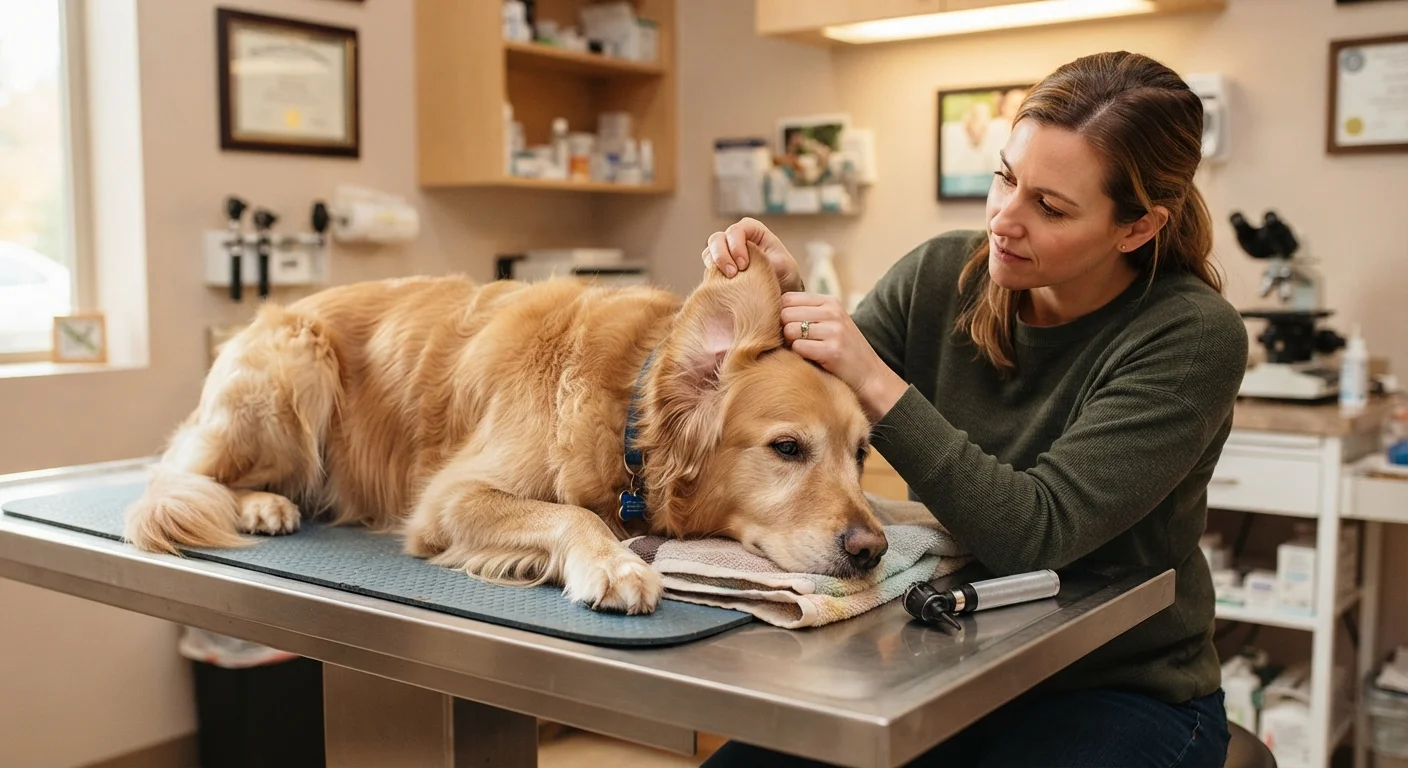
Key Takeaways
- A monthly at-home check takes under an hour and can reveal early signs of health changes.
- Coat, weight, ears, teeth, eyes, and behaviour are the six core areas to assess each month.
- Consistent monitoring creates a personal baseline, making it easier to spot what's new or different.
- Home checks complement - but never replace - regular veterinary care.
- Behavioral shifts are often among the earliest indicators that something is physically wrong.
Summary
22 items · 20-40 minutes per month
Why a Monthly Routine Pays Off
Pets cannot tell us when something feels off. That responsibility falls to owners - and the challenge is that many health changes happen gradually enough to go unnoticed until they've progressed. A structured monthly check helps close that gap.
Think of it less like a medical exam and more like a regular walk-around inspection. You're building familiarity with your pet's normal: their typical weight, coat texture, energy level, and behaviour. When something shifts, you'll recognize it sooner because you have a reference point.
This checklist applies broadly to dogs and cats. Some items will need adjusting for other species. If your pet is a senior, consider reviewing our age-by-age health overview for additional considerations that apply as animals move into their later years.
Home Checks Don't Replace Vet Visits
Monthly self-assessments are a valuable complement to professional veterinary care - not a replacement for it. Annual wellness exams (or more frequent visits for senior pets) allow your vet to catch internal changes that no at-home visual check can detect. If anything you observe concerns you, contact your veterinarian rather than waiting. See our overview of when routine visits matter most to understand when to schedule proactively.
This checklist is intended as a general wellness awareness tool, not a substitute for professional veterinary evaluation. If you notice anything concerning during your monthly check, contact your veterinarian promptly rather than waiting for a scheduled visit. For a clear list of symptoms requiring urgent attention, see our guide on signs that warrant a same-day vet call.
How to Use This Checklist
Pick one day each month - the first of the month works well as a simple anchor - and set aside 20 to 40 minutes in a calm, well-lit space. Work through each group systematically, ideally with your pet resting or in a relaxed state. Jot brief notes: a simple notebook or phone memo is enough.
Over several months, those notes create a personal health log that becomes genuinely useful when you speak with your vet. Patterns - gradual weight change, recurring ear buildup, increasing water intake - are far easier to communicate when you have dated observations.
Diet is closely tied to many of the physical signs you'll assess below. If your monthly check raises questions about what you're feeding, our practical feeding audit can help you evaluate your pet's current nutrition systematically. For broader nutritional context, the pet nutrition hub covers feeding fundamentals across life stages.
Coat and Skin
Weight and Body Condition
Ears
Eyes and Nose
Teeth and Gums
Nails and Paws
Behaviour and Mobility
Preventive Care Records
Reading What You Find
Not every finding requires a vet call, but context matters. A small amount of earwax is normal; a dark, crumbly buildup with odor is not. Mild tartar is common in adult pets; inflamed, bleeding gums need professional attention. Learning to distinguish normal variation from a genuine change is the skill this checklist builds over time.
Behaviour is often the subtlest but most telling category. Reduced play interest, reluctance to jump, or changes in social engagement can precede obvious physical symptoms by weeks. Pairing this checklist with a broader understanding of your pet's everyday signals is worthwhile - our article on reading your pet's body language covers the everyday signs of good health in detail.
Some owner habits - even well-intentioned ones - can quietly work against a pet's health over time. If you'd like to review your routine with fresh eyes, our piece on habits that can quietly harm your pet is a useful companion read.
This article is for general informational and educational purposes only and does not constitute veterinary or medical advice. Always consult a licensed veterinarian for guidance specific to your pet's health needs.