

Key Takeaways
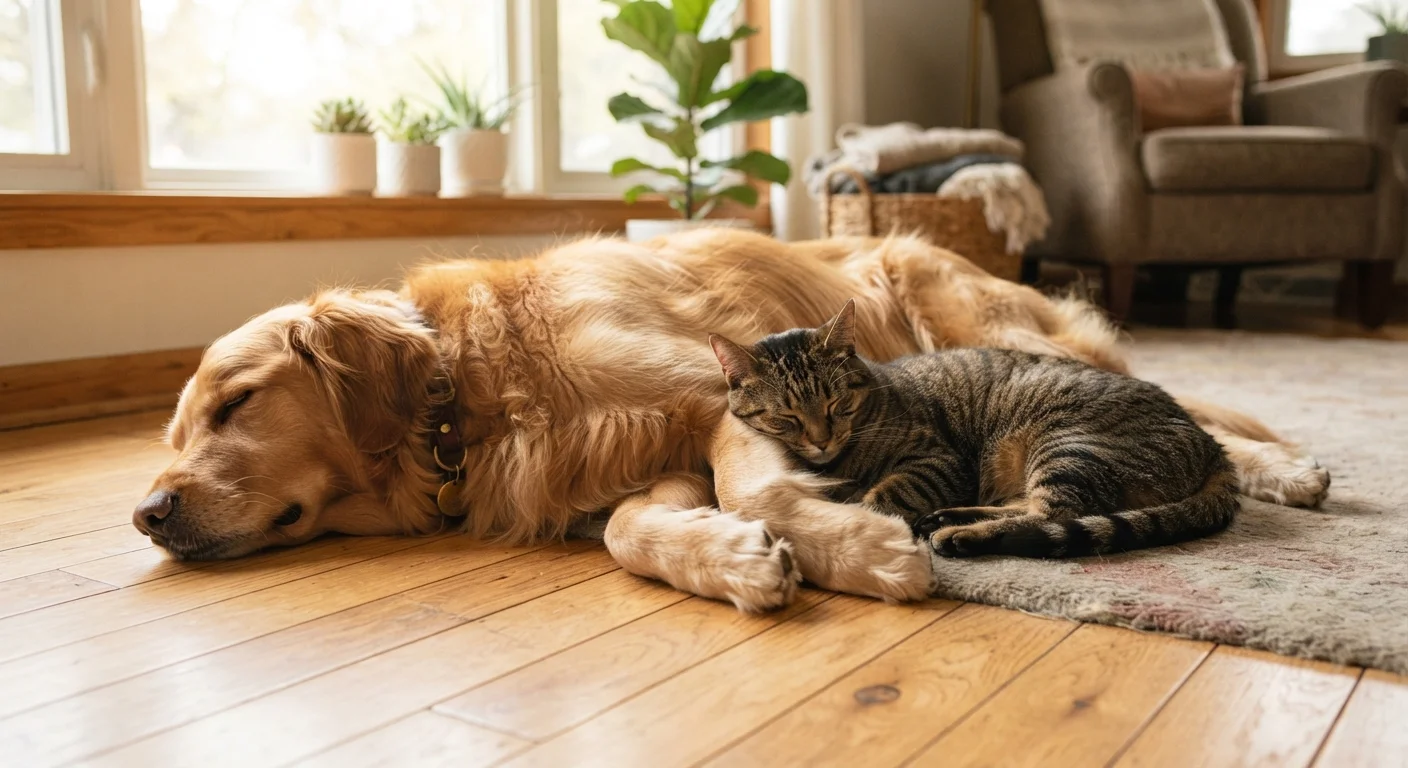
- A relaxed, loose posture is one of the most reliable indicators of a comfortable, healthy pet.
- Clear, bright eyes and a moist nose (in dogs) signal normal respiratory and immune function.
- Coat quality often reflects internal health - dullness, excess shedding, or flaking can warrant a vet check.
- Consistent appetite, normal thirst, and regular elimination are key daily health benchmarks.
- Sudden changes in behaviour or energy level are often the first detectable signs of an underlying issue.
- Regular at-home observation builds a baseline that makes early problem detection much easier.
Pet Body Language
Pet body language refers to the physical signals - posture, movement, facial expression, coat condition, and behaviour - that animals use to communicate their internal state. Reading these signals regularly helps owners distinguish normal, healthy functioning from early signs of discomfort or illness. Unlike human language, these cues are continuous and involuntary, making them a reliable window into your pet's wellbeing.
Veterinarians and animal behaviourists refer to the integrated reading of posture, physiological signs, and behaviour as a 'behavioural health assessment' - a skill that can be developed by any attentive owner over time.
Why Observing Your Pet Daily Matters
Most health changes in dogs and cats don't appear overnight. They develop gradually - a subtle shift in posture, a slight change in appetite, coat that's just a little duller than usual. Owners who observe their pets consistently build a personal baseline: a clear picture of what normal looks like for that individual animal. That baseline is what makes early detection possible.
You don't need veterinary training to do this well. You need attentiveness and a framework for what to look at. This article covers the key physical and behavioural signals that indicate good health in dogs and cats, so you know what you're looking for during everyday moments - not just at the annual vet visit.
For a structured approach to tracking health across the months, the Pet Owner's Wellness Checklist is a useful companion resource.
Individual Variation Is Real
What counts as 'normal' differs meaningfully between breeds, ages, and individual animals. A Basset Hound is naturally less energetic than a Border Collie; a senior cat sleeps more than a kitten. The goal is to understand your specific pet's baseline, not to compare them to an average. Your veterinarian can help you calibrate what's typical for your animal's age, breed, and health history.
Posture, Movement, and Energy
Posture is one of the most immediate indicators of how a pet feels. A healthy dog moves with fluid ease, holds their weight evenly, and engages with their environment - curious, responsive, willing to play or walk. A healthy cat moves deliberately, springs and lands cleanly, and settles into relaxed, fully loose resting positions.
Watch for these positive signs:
- Even weight distribution when standing - no favouring of one limb
- Smooth, fluid gait without stiffness or hesitation
- Age-appropriate energy - enthusiasm for walks, play, or interaction consistent with their norm
- Relaxed muscle tone at rest - no bracing or hunching
Energy level is equally telling. A temporary dip after a long outing is normal; persistent low energy or reluctance to engage that lasts beyond a day is worth noting. Senior pets naturally slow down with age, but sudden changes still warrant attention.
~70%
Pets showing illness signs owners initially missed
Veterinary behavioural researchers have noted that owners frequently attribute early behavioural illness signals - such as reduced activity or withdrawal - to aging or mood rather than health change.
2x
More likely to catch issues early with routine checks
Veterinary guidance consistently emphasises that owners who conduct brief, structured at-home observations are better positioned to detect problems before they become serious.
Eyes, Ears, Nose, and Coat
A quick visual check of these areas gives you a rapid snapshot of overall health:
Eyes
Clear and bright with no significant discharge. The whites should not be red or yellow. Cloudiness, persistent tearing, squinting, or pawing at the face all deserve a veterinary look.
Ears
Clean inside, without strong odor, dark debris, or signs of irritation. A healthy pet doesn't shake their head repeatedly or scratch at one ear.
Nose
In dogs, a slightly moist nose is typical, though it can vary throughout the day. More important than temperature or moisture is the absence of thick discharge or cracking. Cats' noses should also be free of persistent discharge.
Coat and Skin
A healthy coat lies relatively flat, feels clean, and has a normal texture for the breed. Excessive shedding beyond seasonal norms, dullness, persistent flaking, or bald patches may reflect nutritional gaps or a skin condition. Hydration also plays a direct role in coat quality - something owners often underestimate.
Appetite, Digestion, and Elimination
Eating, drinking, and eliminating are daily events - which makes them excellent, low-effort health monitors. A healthy pet eats with consistent enthusiasm, drinks regularly without dramatic increases or decreases in thirst, and produces stools that are firm and well-formed.
What to treat as normal baselines:
- Appetite that's steady day-to-day
- Stools that are formed, not loose or mucus-streaked
- Urination frequency consistent with their usual pattern
- No straining, crying, or obvious discomfort during elimination
Changes in thirst - particularly a sudden, marked increase - can be an early sign of conditions such as kidney disease or diabetes in both dogs and cats, and should always be discussed with a vet. If you want to assess whether your pet's diet is supporting these baselines, the Practical Feeding Audit provides a structured way to evaluate what they're consuming.
Keep a Simple Health Log
A brief weekly note - covering appetite, stool quality, energy level, and any physical changes - builds the baseline your vet needs to spot trends. It doesn't need to be detailed: even a few words per category can help you notice patterns that a single annual visit might miss.
Behaviour as a Health Signal
Behaviour is often the first thing that changes when a pet is unwell - before physical symptoms become obvious. Cats in particular tend to mask discomfort, so behavioural shifts carry extra diagnostic weight.
Signs of healthy behaviour include:
- Normal grooming in cats (neither neglected nor obsessive)
- Interest in social interaction consistent with their personality
- Engagement with familiar routines - mealtime excitement, walk enthusiasm
- Sleeping in familiar spots, in relaxed positions
Withdrawal, hiding, increased vocalization, or sudden aggression in a previously gentle pet can all signal pain, anxiety, or illness. These changes are worth taking seriously rather than attributing purely to mood. It's also worth reflecting on owner habits - some well-meaning routines can inadvertently contribute to behavioural stress or physical health issues.
When multiple signals appear together - behavioural change, appetite shift, and a physical symptom - contact your veterinarian rather than waiting to see if things resolve on their own.
This article provides general health information for educational purposes only and is not a substitute for professional veterinary advice, diagnosis, or treatment. Always consult a qualified veterinarian about your pet's specific health needs.