

Key Takeaways
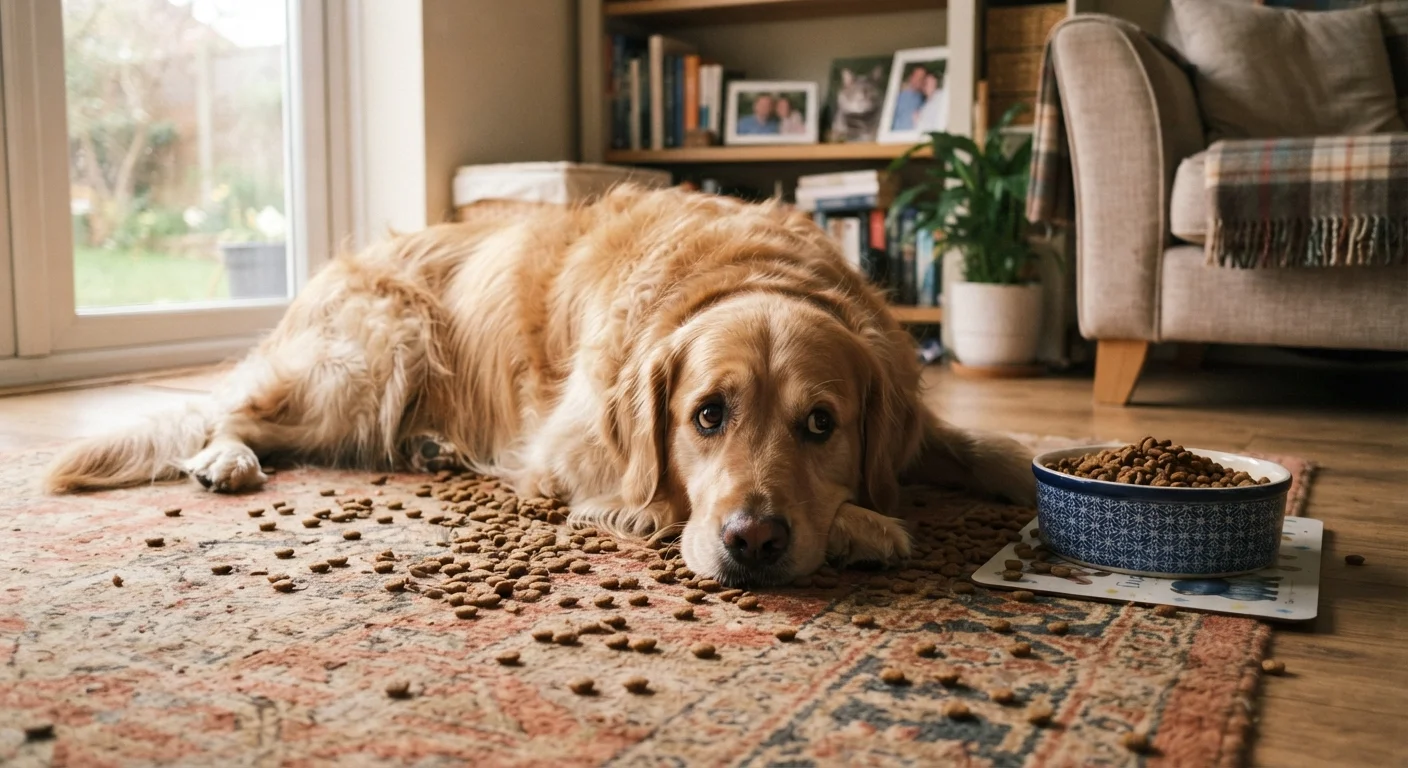
- Overfeeding - even with healthy food - is one of the most common contributors to pet obesity.
- Skipping or delaying parasite prevention can allow serious, hard-to-detect health problems to develop.
- Human foods shared as treats may contain ingredients toxic to dogs and cats.
- Dental hygiene is frequently overlooked, yet poor oral health affects organ function over time.
- Punishing unwanted behavior can erode trust and worsen anxiety in pets.
- Always consult a veterinarian before changing routines, diet, or preventive care schedules.
Why Good Intentions Aren't Always Enough
Most pet health problems don't stem from neglect - they stem from habits that feel perfectly reasonable in the moment. Feeding a little extra when your dog gives you those eyes, skipping a monthly parasite tablet because nothing seems wrong, or slipping a bite of dinner under the table: these small choices accumulate quietly over months and years.
Understanding where these patterns come from - and what they actually cost your pet - is the first step toward adjusting them. The mistakes below are among the most widespread, and each one is correctable with straightforward changes to your routine.
For a broader framework of proactive care habits, our monthly wellness checklist offers a practical starting point.
The Most Common Well-Meaning Mistakes
Each of the habits below is driven by genuine care for a pet's wellbeing. Recognizing them isn't about blame - it's about giving owners the clearest possible picture of consequences and alternatives.
Overfeeding out of affection, including frequent treats and table scraps.
Why it happens: Food is a natural expression of love, and pets are remarkably good at signaling hunger even when they aren't truly hungry. Portion guidelines on packaging are often general estimates that don't account for a specific pet's age, activity level, or health status.
Sharing human foods without checking whether they're safe for pets.
Why it happens: It's easy to assume that wholesome foods - grapes, onions, certain nuts, or products sweetened with xylitol - are harmless because they're safe for people. Many owners don't realize how differently pets metabolize common ingredients.
Letting parasite prevention lapse because the pet 'seems fine.'
Why it happens: Parasites like heartworm, fleas, and intestinal worms often cause no obvious symptoms in early or moderate infestation, making it easy to assume the risk is low or the pet is unaffected.
Neglecting dental hygiene because the pet doesn't show pain.
Why it happens: Pets are instinctively inclined to mask discomfort - a survival trait that means dental disease can progress silently for years. Most owners don't associate bad breath or slight changes in chewing with serious health implications.
Using punishment or harsh corrections to manage unwanted behavior.
Why it happens: Punishment can feel intuitive when a pet repeats an undesirable behavior, and some older training philosophies promoted dominance-based methods. However, current behavioral science indicates these approaches often increase stress and anxiety without teaching the desired alternative.
When to Contact Your Veterinarian
This article provides general educational information only - it is not a substitute for professional veterinary advice. If your pet shows signs of illness, behavioral change, or distress, contact a licensed veterinarian promptly. Do not adjust medications, supplements, or preventive treatments without professional guidance.
Nutrition-related habits deserve particular attention, since feeding decisions happen daily and their effects compound over time. If you're questioning what's accurate about commercial pet food, common pet food myths is a useful complement to the guidance here.
Building Habits That Actually Protect Your Pet
Correcting these patterns doesn't require major lifestyle changes - it requires consistent, informed small decisions. Weigh food rather than estimate it. Keep a parasite prevention calendar. Brush your pet's teeth a few times a week. Choose training approaches that build trust rather than fear.
Staying current with veterinary visits is the single most reliable safety net: a professional can catch what owners can't see and tailor recommendations to your pet's specific needs. Our first-year health routine guide outlines how to structure that foundation from the start.
This article is for general informational purposes only and does not constitute veterinary advice. Consult a licensed veterinarian for guidance specific to your pet's health, diet, and preventive care needs.