

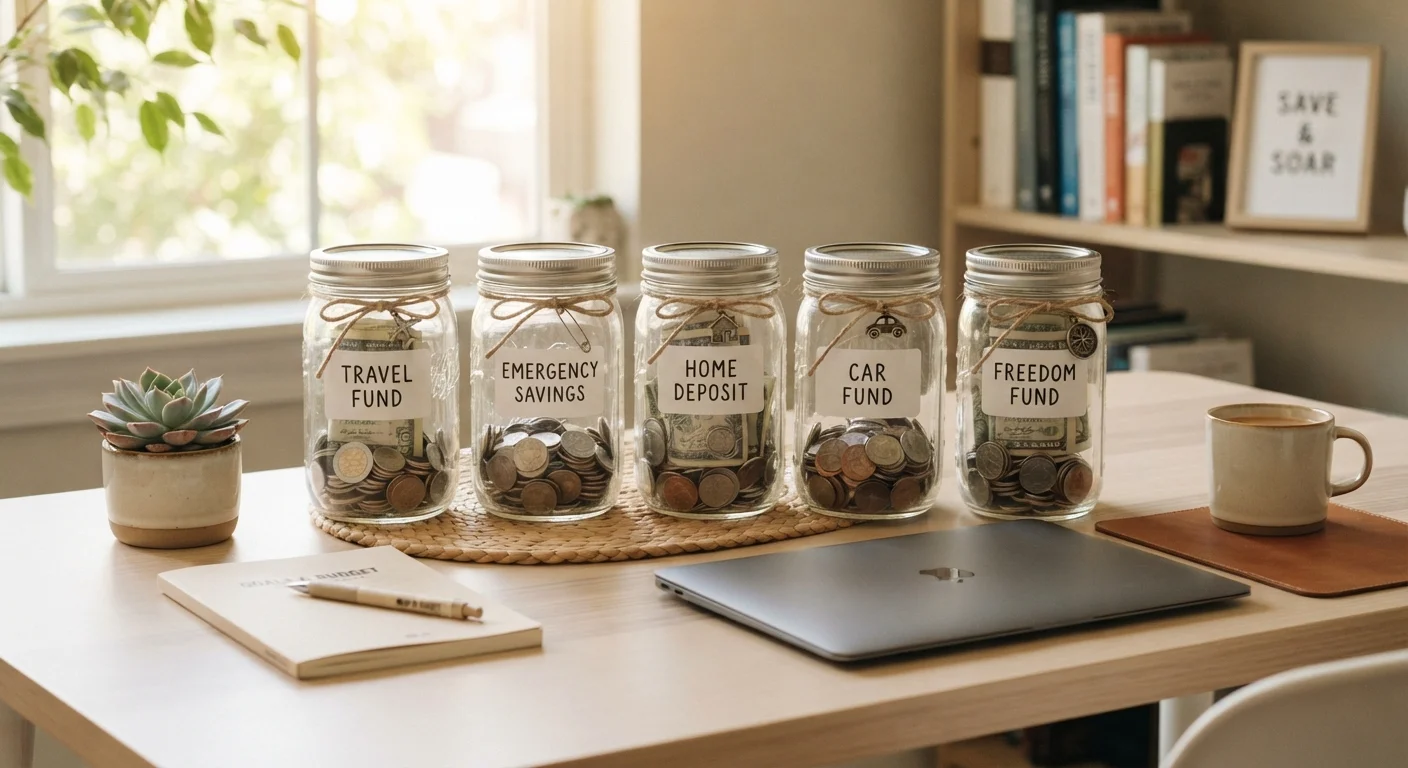
Key Takeaways
- A sinking fund separates predictable future costs from your emergency fund so neither gets raided.
- You set a target dollar amount and a deadline, then divide to find your monthly contribution.
- Common uses include annual insurance premiums, vehicle repairs, holiday spending, and home maintenance.
- Multiple sinking funds can run simultaneously, each tied to a distinct goal.
- The method works best when contributions are automated so saving happens before spending.
Sinking Fund
A sinking fund is a dedicated savings pool where you set aside a small, fixed amount of money over time specifically for a known future expense. Instead of scrambling for cash when a large bill arrives, you've already built up the funds gradually. The name comes from accounting, where companies use the same concept to retire debt or replace assets without financial shock.
In personal finance, sinking funds are distinct from both emergency funds (which cover unexpected costs) and general savings accounts (which serve no single defined purpose). Each sinking fund ideally maps to one specific, anticipated expense with a known or estimated cost and timeline.
What Problem Does a Sinking Fund Solve?
Most household budgets are built around monthly recurring costs — rent, utilities, groceries. What they often ignore are the large, predictable expenses that don't arrive every month but reliably show up every year: holiday gifts, vehicle registration, back-to-school shopping, annual insurance premiums. When these land, many people either put them on a credit card or pull money from their emergency fund.
Both habits carry a cost. Credit card balances accrue interest. Draining your emergency fund leaves you exposed to a genuinely unexpected expense — a medical bill or sudden job loss — right after you've depleted your buffer. A sinking fund solves this by treating a future known cost like a recurring monthly bill you pay to yourself in advance.
If you're still building your foundational savings habits, the plain-English starting guide to saving money covers emergency funds and basic budgeting before you layer in sinking funds.
How to Set Up a Sinking Fund in Three Steps
The mechanics are straightforward. Pick a specific expense, estimate the total cost, set a timeline, and divide.
- Name the goal. Be specific. 'Car expenses' is vague; 'annual auto insurance renewal — $900' is actionable. Specificity keeps the fund from becoming a catch-all.
- Divide by months remaining. If your $900 premium renews in nine months, you need to set aside $100 per month. If your holiday budget is $600 and you start in January, that's $50 per month through November.
- Automate the transfer. Set a recurring transfer from your checking account to a separate savings bucket on payday. Automation removes the decision from your monthly to-do list and mirrors the small daily habits that quietly build savings covered in our companion piece.
Label Each Fund Clearly
When setting up sub-accounts or savings buckets, use descriptive names like 'Car Registration 2025' or 'Holiday Gifts' rather than generic labels. Clear naming reduces the temptation to dip into a fund for unrelated purchases, and it makes your progress toward each goal immediately visible.
Once your sinking fund is fully funded and the expense paid, you have a choice: let the fund refill for next year's same expense, or redirect contributions toward a different goal. Many people do both in parallel once the habit is established.
Common Categories Where Sinking Funds Pay Off
Sinking funds work best for costs that are large relative to a monthly paycheck but predictable enough to plan around. Some categories that consistently benefit:
- Vehicle maintenance and registration: Oil changes, tires, and annual registration fees are reliably recurring. A small monthly allocation prevents any single service from straining your budget.
- Home maintenance: Furnaces, water heaters, and roofs don't last forever. A dedicated home repair fund means you're not caught off guard when a system needs replacement.
- Annual subscriptions and insurance: Paying annually rather than monthly often costs less overall — but only if the lump sum doesn't force you into debt. A sinking fund makes annual billing a genuine option.
- Seasonal and holiday spending: Gift budgets, travel, and seasonal wardrobe updates are entirely foreseeable. Funding them gradually removes the January credit card hangover.
- Medical and dental costs: Even with insurance, deductibles and co-pays accumulate. A health-related sinking fund can reduce financial stress around necessary care.
~1%
Recommended annual home maintenance budget
A commonly cited rule of thumb among financial planners suggests setting aside roughly 1% of a home's purchase value per year for maintenance and repairs.
36%
Americans who couldn't cover a $400 emergency
According to the Federal Reserve's Report on the Economic Well-Being of U.S. Households, a significant share of adults reported difficulty covering an unexpected $400 expense without borrowing or selling something.
It's also worth auditing where money is quietly disappearing before you commit to new savings goals — our article on spending leaks that drain everyday budgets can help you identify cash that could be redirected into a sinking fund.
Sinking Funds and Your Emergency Fund: Keeping Them Separate
One of the most practical reasons to use sinking funds is that they protect your emergency fund from non-emergencies. A holiday shopping bill or a car registration fee is not an emergency — it's a scheduled expense you simply hadn't saved for yet. Using emergency money for planned costs leaves you financially exposed when a real crisis hits.
The difference between an emergency fund and a savings account matters here: each pool of money should have a defined purpose so you don't inadvertently cross-fund between them. If your emergency fund is still being built, the guide to building an emergency fund on a tight budget offers a realistic sequence for getting both established. For broader budgeting strategy, the Budgeting Basics hub and the Saving Money hub are useful starting points.
This article is for general informational and educational purposes only and does not constitute personalised financial advice. Consult a qualified financial professional for guidance tailored to your individual circumstances.