

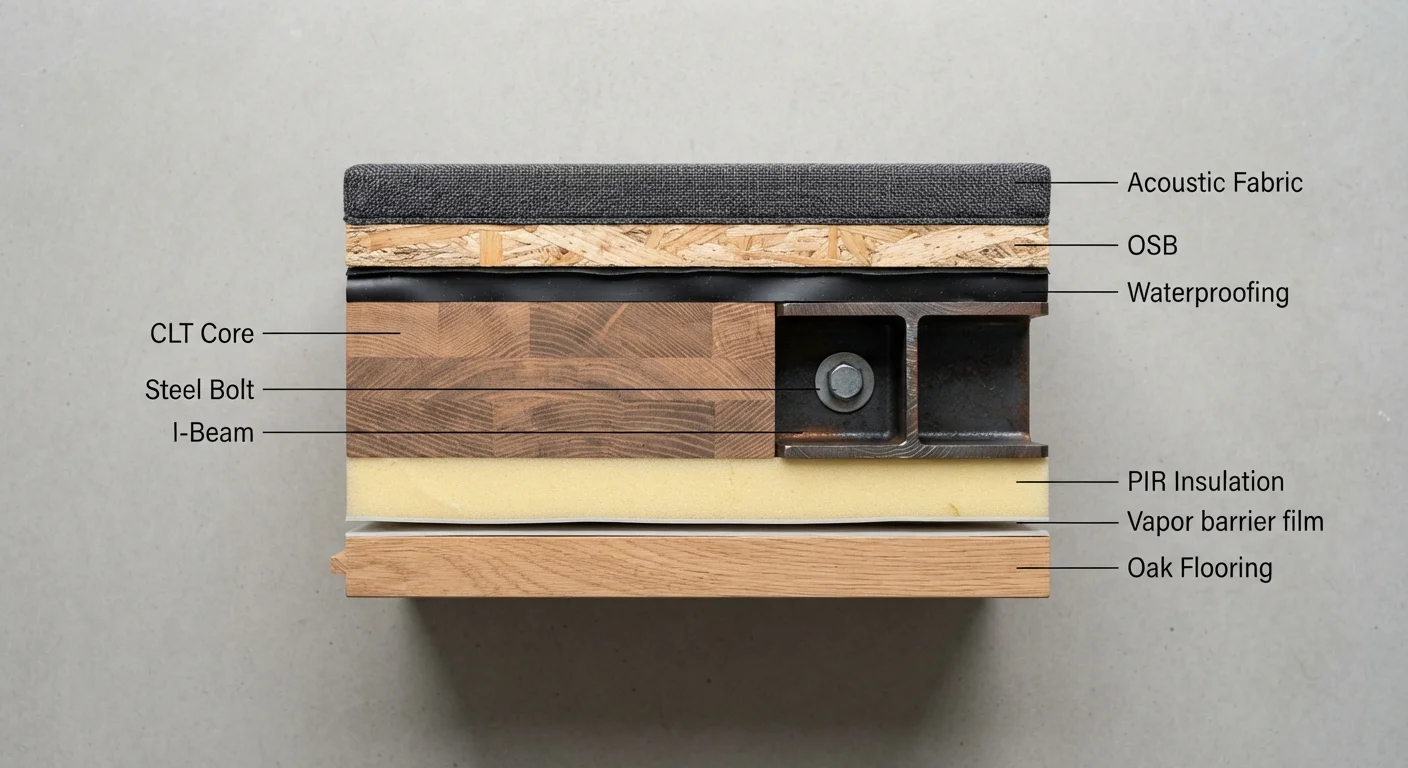
Key Takeaways
- Both material quality and construction technique independently affect how long a product lasts.
- Joints, seams, and fastening methods are often where products fail first — inspect these closely.
- Denser, naturally resistant materials (like solid hardwood or stainless steel) generally outlast lower-cost alternatives.
- A higher purchase price does not automatically indicate better construction — look for verifiable quality signals.
- Understanding construction gives shoppers a reliable framework across product categories, from furniture to vehicles.
Material and Construction Durability
Durability refers to a product's ability to maintain its intended function over time under normal use conditions. It is shaped by two interrelated factors: the raw materials used and the methods by which those materials are assembled. A product can use high-quality materials yet still fail quickly if construction is poor — and vice versa.
Engineers often assess durability using metrics like tensile strength, fatigue resistance, and cycle testing, which simulate years of real-world use in controlled lab environments.
Why Construction Is as Important as the Material Itself
When evaluating whether a product will last, most shoppers instinctively focus on what it's made of. That's a reasonable starting point — but it's only half the picture. How materials are joined, finished, and assembled often determines whether a product holds up for years or fails within months.
Consider two pieces of furniture built from identical oak. One uses interlocking dovetail joints with wood glue; the other relies on metal staples and particle-board backing. The material grades may look similar on a spec sheet, but under repeated use, the difference in construction becomes decisive. This pattern holds across categories — from stitching techniques in outerwear to weld quality in automotive components.
Evaluating a product thoroughly means examining both the material and the assembly — not treating them as interchangeable proxies for quality.
Key Material Properties That Signal Longevity
Not all materials are appropriate for all applications, but several properties consistently predict durability across contexts:
- Density and hardness: Denser materials resist denting, abrasion, and deformation. Hardwood flooring, for instance, withstands foot traffic far longer than softwood alternatives. See how this plays out in practice with engineered vs. solid hardwood flooring comparisons.
- Corrosion and moisture resistance: Materials exposed to humidity, outdoor conditions, or repeated washing must resist oxidation and water damage. Stainless steel, powder-coated aluminum, and treated fabrics hold up where untreated alternatives degrade quickly.
- Fatigue resistance: Some materials weaken under repeated stress cycles even without visible damage — this matters in mechanical components, textiles, and structural supports alike.
2–3×
Lifespan advantage of hardwood over softwood flooring
Industry guidance from flooring trade associations consistently notes that high-density hardwoods can outlast softwood alternatives by a factor of two to three under equivalent traffic conditions.
~80%
Product failures attributed to joint or seam failure
Mechanical engineering literature broadly indicates that a substantial majority of structural product failures originate at joints, welds, or fastening points rather than in the base material itself.
Material choice also interacts with environment. A product built for dry indoor conditions may deteriorate rapidly in a garage or outdoor setting — matching material properties to the actual use environment is critical.
Construction Techniques That Predict Product Lifespan
Once you understand what to look for in materials, shift attention to assembly. These construction signals are observable and meaningful across categories:
- Joinery method: Mechanical fasteners (screws, rivets, bolts) generally outperform adhesive-only connections under sustained load. In woodworking, mortise-and-tenon and dovetail joints distribute stress better than dowels or staples.
- Seam reinforcement: In textiles and soft goods, double-stitched or bar-tacked seams at stress points — shoulders, pockets, strap attachments — indicate better resistance to tearing under load.
- Weld vs. bolt in metal products: Continuous welds create stronger, sealed connections than bolted assemblies in structural applications. However, bolted assemblies may be preferable where repairability matters.
- Surface finishing: Powder coating, anodizing, and hardening treatments extend the life of metal surfaces by adding corrosion and scratch resistance beyond the base material's natural properties.
Repairability is a dimension worth factoring in. A product built with accessible, standard fasteners and replaceable components can have its lifespan extended significantly — an often-overlooked quality signal. For more on how this affects total ownership value, see how to think about total ownership costs.
Applying This Framework Across Categories
These principles translate directly to everyday purchasing decisions across product categories. In vehicles, for example, corrosion-proofing, welded unibody construction, and the quality of seals around doors and windows all predict how well a car holds up over time — separate from engine reliability alone. Consistent upkeep compounds these material advantages, as explored in habits that help keep a vehicle in good shape.
In home goods, kitchen appliances, and outdoor equipment, the same logic applies: identify the stress points in normal use, examine how the manufacturer has addressed those points in material selection and construction, and weigh whether the approach matches the intended environment and frequency of use.
This framework won't guarantee outcomes — product performance always involves real-world variability — but it gives shoppers a consistent, evidence-based lens that cuts through marketing claims and focuses attention on what actually predicts longevity.
“The durability of any product is fundamentally a design decision — it reflects choices made about materials and assembly long before the consumer ever interacts with it.”
— Henry Petroski, Professor of civil engineering and author on the history of engineering and design