

Key Takeaways
- Meal planning before you shop is one of the most effective ways to reduce food waste and overspending.
- Seasonal and frozen produce can match fresh nutrition at a fraction of the cost.
- Unit pricing - cost per ounce or pound - reveals true value that shelf tags often obscure.
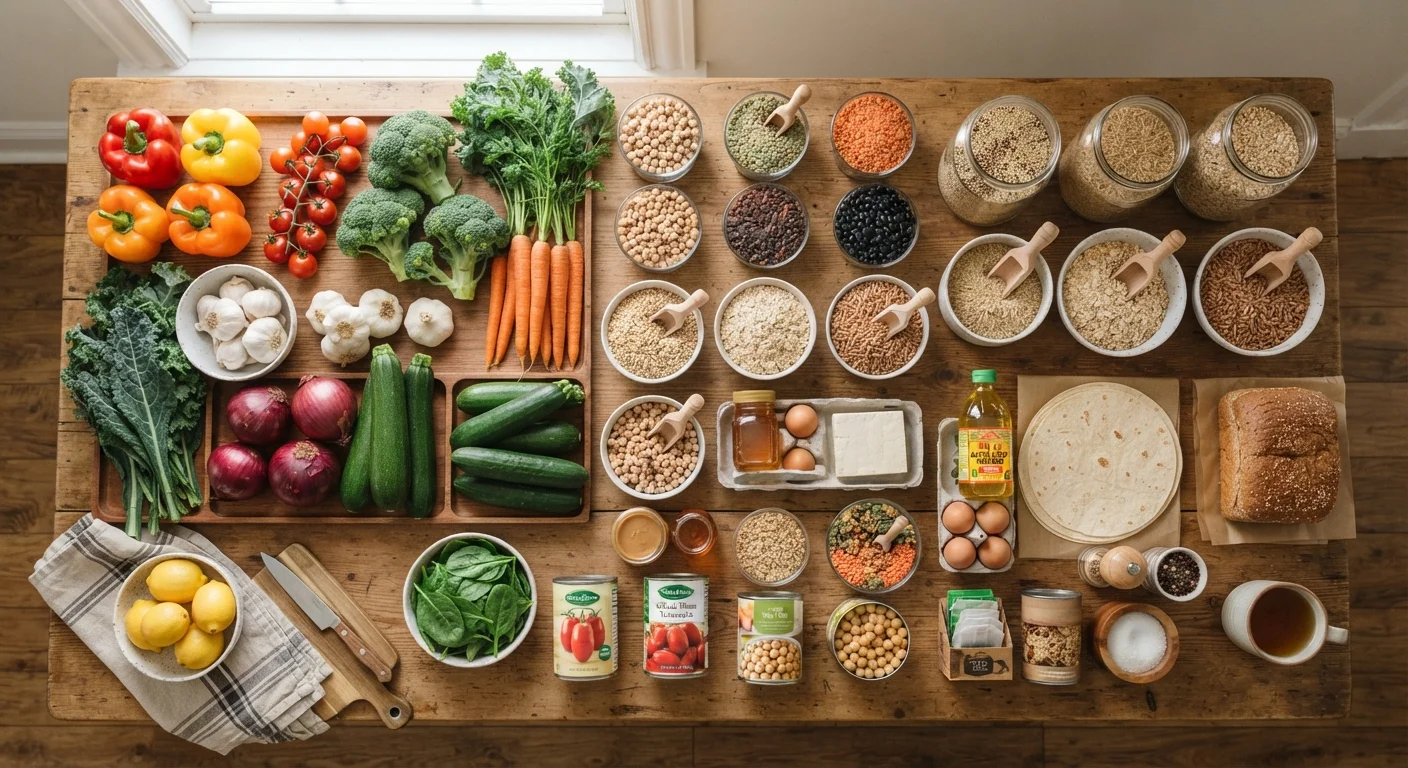
- Protein-rich staples like dried legumes and canned fish deliver strong nutrition at low cost.
- Small, consistent grocery habits compound into meaningful annual savings without sacrificing diet quality.
Why Grocery Spending Is Worth Tackling First
Food is one of the largest discretionary expenses in most households - and unlike fixed bills, it responds quickly to intentional choices. Unlike cutting a streaming subscription, improving your grocery strategy can actually improve your quality of life by encouraging more nutritious eating. Before setting a realistic shopping budget, it helps to understand where grocery dollars typically go unnoticed.
The goal here isn't deprivation - it's spending intentionally. Most households waste a meaningful portion of their food budget on items that spoil, impulse purchases, or products with inflated convenience premiums. Addressing those leaks first creates room for savings without touching nutrition. For a broader look at where money quietly disappears, see our article on spending leaks that drain everyday budgets.
Best Practices for Lowering Your Food Bill
The following approaches are grounded in how real households successfully reduce grocery costs while maintaining - and often improving - the nutritional quality of what they eat.
Plan meals for the week before writing your shopping list.
Unplanned shopping leads to duplicate purchases, forgotten ingredients, and impulse additions that inflate the total. A clear meal plan lets you buy exactly what you need, reducing both waste and overspending. It also makes it easier to reuse ingredients across multiple meals.
Use unit pricing to compare products by cost per ounce or pound.
Shelf tags often highlight the total price, which can be misleading when package sizes differ. Unit pricing - typically shown in small print on the shelf tag - reveals the true cost per standard measure. Larger sizes frequently cost less per unit, but only if the quantity will actually be used before it expires.
Prioritize seasonal and frozen produce over out-of-season fresh varieties.
Produce prices fluctuate significantly with supply chains and seasons. Frozen vegetables and fruits are harvested at peak ripeness and flash-frozen, preserving most of their nutritional content. Choosing what's in season locally reduces costs driven by long-distance transport and short shelf windows.
Swap expensive proteins for lower-cost, high-nutrition alternatives.
Animal proteins - especially fresh cuts of red meat - tend to be among the priciest items per serving. Dried beans, lentils, canned legumes, eggs, and canned fish offer comparable protein and micronutrients at a fraction of the cost. Rotating these into meals several times a week can produce noticeable savings.
Store food correctly to reduce spoilage and waste.
A significant share of grocery spending is effectively thrown away through spoilage. Learning basic storage principles - which items need refrigeration immediately, how to extend the life of fresh herbs, when to freeze bread before it goes stale - directly translates to more value from each purchase.
Quick Actions You Can Take This Week
You don't need to overhaul your entire grocery routine at once. These actions are low-effort, immediately applicable, and capable of producing real results within days.
When shopping with nutrition in mind, understanding how to read labels helps you compare products on substance, not marketing claims. Our guide to grocery shopping with nutrition in mind offers a practical in-store checklist. And if label reading itself feels overwhelming, reading a nutrition label without getting lost in the numbers breaks down what each section actually means.
This article provides general financial and nutritional information for educational purposes only and is not a substitute for personalized financial or dietary advice. Consult a qualified financial adviser or registered dietitian for guidance suited to your individual circumstances.