

Key Takeaways
- Skipping scheduled maintenance is one of the costliest habits a car owner can develop over time.
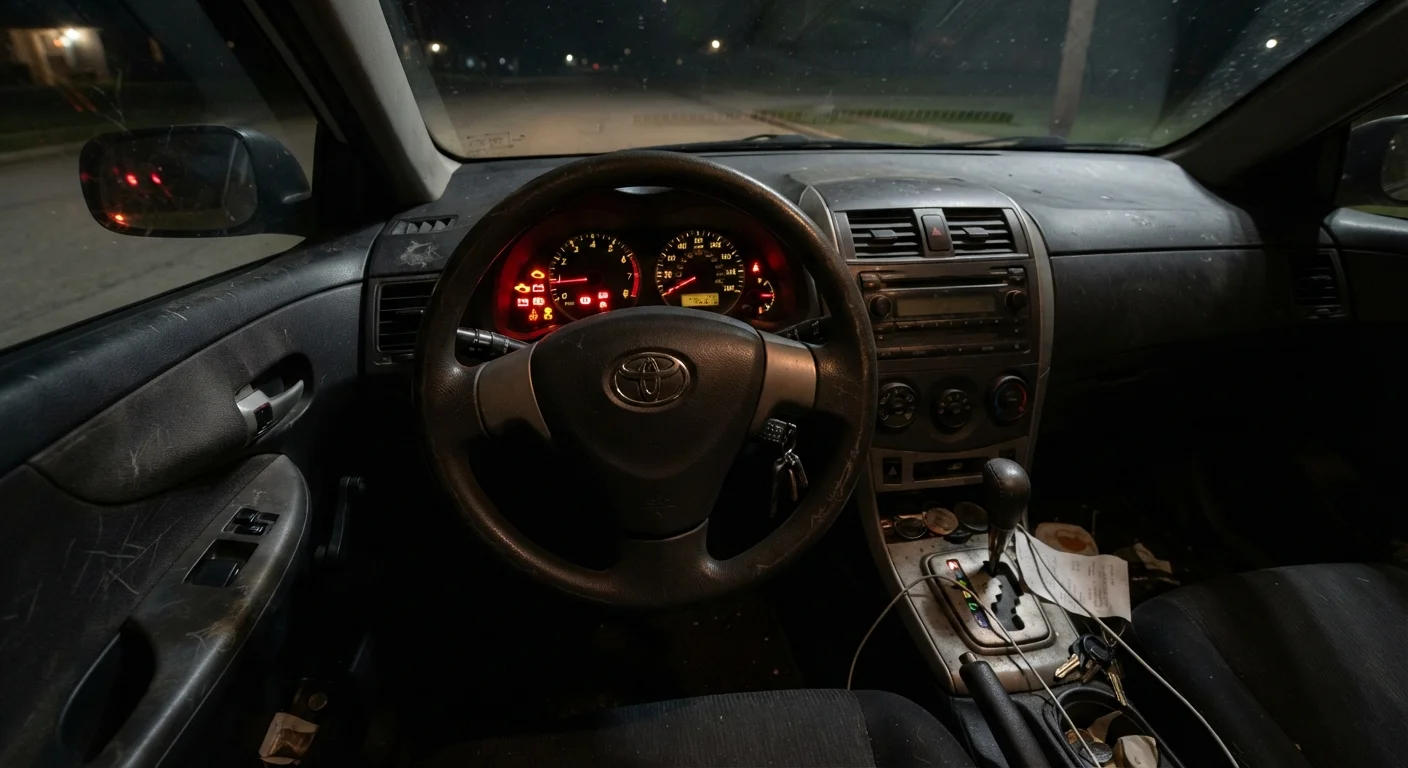
- Ignoring dashboard warning lights often turns a minor fix into a major, expensive repair.
- Underinsuring a vehicle may save money monthly but can create serious financial exposure after an incident.
- Tire neglect - including improper inflation and delayed rotation - accelerates wear and raises safety risk.
- Tracking your vehicle's actual running costs helps reveal patterns before they quietly drain your budget.
Why Small Ownership Habits Have Big Financial Consequences
Most vehicle costs don't arrive as a single, obvious bill. They build quietly - through habits repeated over months or years that seem harmless in the moment. A skipped oil change here, an ignored warning light there, and before long, a repair that could have cost under $100 turns into one that costs several times that amount.
Understanding which ownership decisions carry the most financial risk is the first step toward avoiding them. This article walks through the most common patterns that drive up long-term vehicle costs, why they happen, and what you can do differently. For a broader look at what vehicle ownership actually costs over time, see the full financial picture of car ownership.
Skipping or delaying scheduled oil changes and fluid services.
Why it happens: Owners often assume a few extra weeks or miles won't matter, especially if the car seems to be running normally.
Ignoring dashboard warning lights until a problem becomes obvious.
Why it happens: Warning lights can seem abstract or alarmist, and if the car still drives, owners may assume the issue isn't urgent.
Choosing minimum insurance coverage to lower monthly premiums.
Why it happens: The short-term saving is immediate and visible; the financial exposure only becomes apparent if an incident occurs.
Neglecting tires - including inflation, rotation, and replacement timing.
Why it happens: Tires wear gradually and unevenly, making it easy to underestimate how far they've degraded until the tread is dangerously low.
Not keeping service records or tracking actual vehicle running costs.
Why it happens: It feels like unnecessary paperwork, especially for drivers who rely on a single mechanic or dealership to maintain history.
The Compounding Effect of Deferred Maintenance
Deferred maintenance - putting off services that are due - is rarely a one-time decision. It tends to become a pattern. An owner skips a tire rotation because it feels optional. Then an oil change gets pushed back a few thousand miles. Each delay feels like a small saving, but the cumulative effect on the vehicle's mechanical health can be significant.
~$1,200
Average annual vehicle maintenance and repair cost per car in the US
According to AAA's annual 'Your Driving Costs' study, maintenance and repair represent a consistent and often underestimated portion of total vehicle ownership expense.
3-5×
Cost multiplier when minor repairs are deferred
Industry repair data consistently shows that small mechanical issues - such as worn brake pads or a failing coolant hose - tend to cause secondary damage that multiplies total repair costs when left unaddressed.
Modern vehicles are engineered around manufacturer service intervals for a reason: components wear at predictable rates, and servicing them on schedule prevents secondary damage. When oil degrades past its service limit, for example, it stops lubricating effectively and accelerates engine wear. When brake fluid absorbs moisture over time, braking performance can be compromised. These aren't theoretical risks - they're the direct cause of many repair bills that owners describe as coming out of nowhere.
How minor neglect compounds into expensive repairs is well documented. Building a simple service calendar - even a phone reminder set to your manufacturer's intervals - removes the decision from each individual month and makes upkeep automatic.
Coverage Gaps and Budget Blind Spots
Insurance and budget planning are two areas where vehicle owners consistently underestimate their exposure. Choosing minimum coverage to reduce monthly premiums is a common strategy that can leave significant financial gaps in the event of an at-fault accident, theft, or weather damage. The math only works if nothing goes wrong - and vehicles are, by nature, exposed to risk every time they're on the road.
Minimum Coverage May Leave You Exposed
State-minimum liability insurance satisfies legal requirements, but it may not cover damage to your own vehicle, theft, or weather events. If your car has significant value or you couldn't easily absorb the out-of-pocket cost of a major incident, minimum coverage may be a false economy. Review your policy with a licensed professional rather than assuming your current plan is sufficient.
Similarly, most owners don't track their actual vehicle running costs in any structured way. Fuel, registration, insurance, tires, and servicing tend to get absorbed into general spending without a clear picture of what the vehicle truly costs per month or per year. This makes it harder to budget for larger expenses like tires or a scheduled major service. Running costs that frequently catch new owners off guard is a useful reference for building a more accurate picture. You might also find value in reviewing spending categories most people overlook in their budget.
A simple annual vehicle cost audit - adding up every dollar spent on the car over 12 months - often reveals spending patterns owners didn't realize existed, and creates a more realistic baseline for the year ahead.