

Key Takeaways
- Travel insurance covers specific named events, not every problem that can arise during a trip.
- Pre-existing medical conditions are commonly excluded unless a waiver is purchased in advance.
- "Cancel for any reason" is a separate, optional upgrade — standard policies have strict cancellation rules.
- Reading the exclusions section is just as important as reading what a policy covers.
- Always verify visa, health, and entry requirements with official government sources before traveling.
Travel Insurance
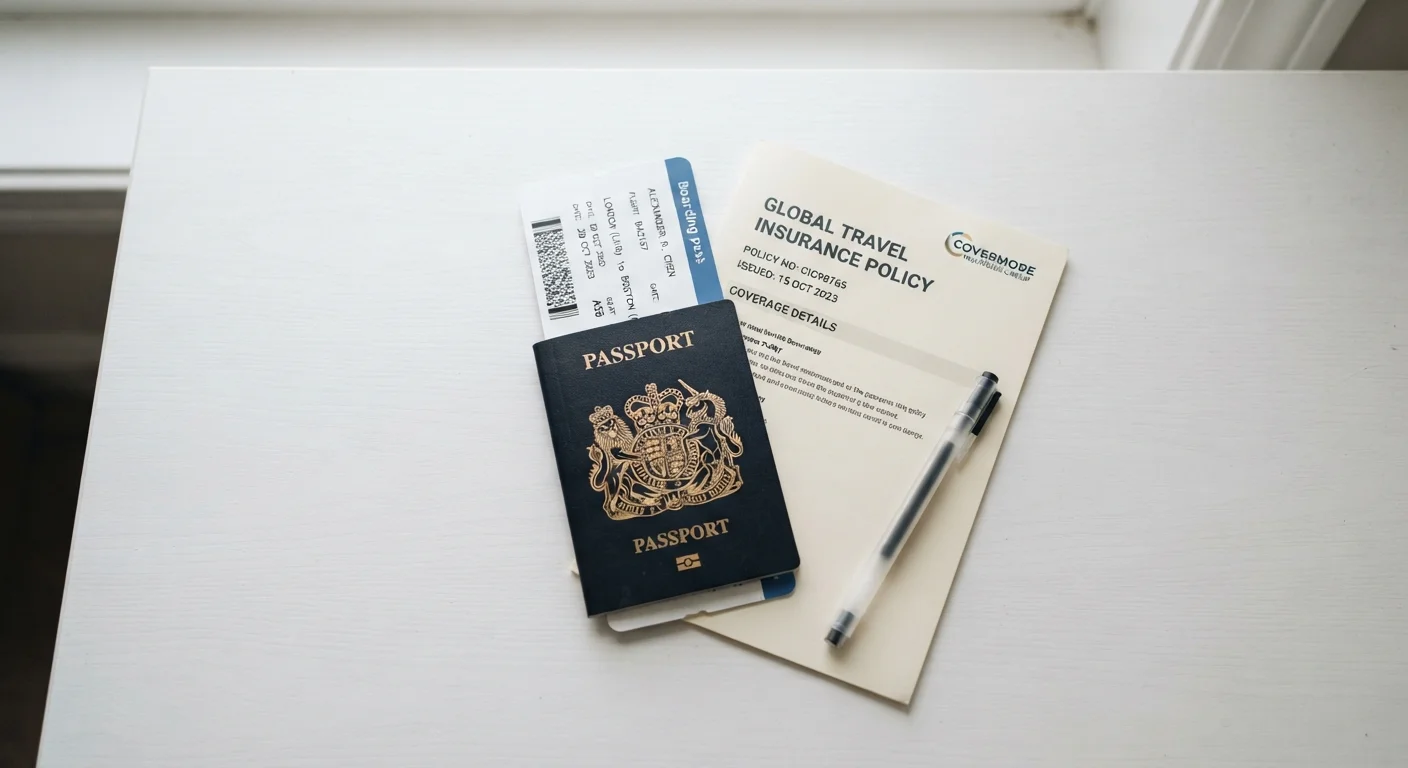
Travel insurance is a type of policy that reimburses or pays for certain financial losses that occur before or during a trip — such as trip cancellations, medical emergencies abroad, or lost luggage. It is not a blanket guarantee against all travel problems. Coverage depends entirely on the specific policy terms, the conditions under which a claim is filed, and what exclusions apply.
Most travel insurance policies are structured as named-peril contracts, meaning they only cover events explicitly listed in the policy document — not every possible misfortune a traveler might face.
What Travel Insurance Is Actually Designed to Do
Travel insurance exists to limit your financial exposure when specific, unforeseen events derail a trip. Think of it less like a safety net and more like a contract: coverage only activates when the triggering event matches a cause listed in the policy. If the event isn't named, it typically isn't covered — full stop.
Most standard policies bundle several coverage types together. The core categories you'll commonly see include:
- Trip cancellation and interruption: Reimburses prepaid, non-refundable costs if you have to cancel or cut short a trip for a covered reason — usually things like serious illness, injury, or a death in the immediate family.
- Emergency medical coverage: Pays for medical treatment received abroad when your domestic health insurance doesn't apply. This is one of the most valuable components for international travel.
- Medical evacuation: Covers the cost of emergency transport to an adequate medical facility, which can run into tens of thousands of dollars without coverage.
- Baggage loss and delay: Reimburses you for lost, stolen, or delayed luggage, typically up to a stated dollar limit per item category.
- Trip delay: Pays for reasonable out-of-pocket expenses — meals, accommodation — when a covered event causes a significant delay.
Understanding these categories upfront makes it far easier to evaluate whether a specific policy fits your trip. For a broader grounding in travel planning terms, this reference guide to common travel terminology is a helpful starting point.
The Exclusions That Catch Travelers Off Guard
The exclusions section of a travel insurance policy is where most misunderstandings — and disappointed claims — originate. These are the situations where you might reasonably assume you're covered but aren't.
Policy Language Varies Significantly
There is no universal standard for what travel insurance must include or exclude. Two policies with similar price points can have very different covered reasons for cancellation, different lookback periods, and different sublimits. Always compare the actual policy documents — not just the marketing summary — before making a decision.
Pre-existing medical conditions are among the most common exclusions. A condition is typically considered pre-existing if you received diagnosis, treatment, or medication for it within a defined lookback period before purchasing the policy — often 60 to 180 days. Some policies offer a waiver if the policy is bought promptly after your initial trip deposit, but the window is narrow.
Known events are also excluded. Once a hurricane, airline strike, or other disruptive event has been publicly announced, it's considered a known event and no longer qualifies as an unforeseen circumstance. Buying insurance after a storm is named won't cover disruptions from that storm.
Other frequent exclusions include:
- Travel to destinations under an active government travel advisory at the time of purchase
- High-risk or adventure activities (skydiving, mountaineering) unless a specific rider is added
- Losses due to alcohol or drug use
- Pandemics, epidemics, or government-mandated travel bans — though policy language on this varies and has evolved in recent years
- Cancellations due to fear of travel or change of mind without a documented covered cause
Reading the exclusions as carefully as the coverage summary is non-negotiable. The same discipline applies to any financial product with fine print — a point explored further in this look at how warranties and guarantees work in practice.
Cancel for Any Reason — and Why It's Not the Same Thing
A persistent misconception is that standard trip cancellation coverage lets you cancel whenever you want. It doesn't. Standard cancellation requires a documented, covered reason — and if your reason isn't on the list, the claim will be denied.
"Cancel for any reason" (CFAR) is a separate optional upgrade that does allow cancellation for virtually any cause, including simply deciding you no longer want to go. The trade-off: CFAR policies typically reimburse only a portion of prepaid costs (commonly 50–75%), must be purchased within a short window of your initial booking, and cost more than standard coverage.
Buy Early to Unlock Key Benefits
Purchasing a travel insurance policy shortly after your first trip deposit — rather than close to your departure date — gives you access to time-sensitive benefits like pre-existing condition waivers and cancel for any reason upgrades. Most of these options close within 14 to 21 days of your initial booking. Waiting until the week before you leave significantly narrows your coverage options.
If your trip involves significant non-refundable deposits and there's genuine uncertainty about whether you'll be able to travel — due to a health situation, family obligations, or work — CFAR may be worth evaluating. If your trip is fully flexible or the stakes are low, the added cost may not make sense.
The key is to make this decision early. Waiting until you're uncertain is often too late to qualify.
How to Read a Policy Before You Commit
Once you've identified a policy, review these areas before purchasing:
- Covered reasons for cancellation: The list should be explicit. If your anticipated risk isn't on it, assume it's not covered.
- Lookback period for pre-existing conditions: Check how far back the insurer looks and whether a waiver is available.
- Per-item limits on baggage: Policies cap reimbursement by category. Electronics and jewelry often have sublimits far below their actual value.
- Medical coverage limits: Confirm the maximum for emergency medical and evacuation, particularly for destinations where care is expensive.
- 24/7 assistance services: Many policies include an assistance hotline for emergencies abroad — knowing how to reach them before you need to matters.
Travel insurance sits in the same category as other insurance products: useful when the covered event actually happens, frustrating when the event falls outside the policy's scope. The same close-reading habit that serves you well with car insurance — detailed in this guide on what your car insurance policy actually says — applies here too.
For any travel involving international health requirements, visa conditions, or destinations with active advisories, verify current requirements directly with official government and embassy sources. Conditions change, and a policy purchased on outdated assumptions may not respond the way you expect.
This article provides general information about travel insurance concepts and is not financial or legal advice. Consult a licensed insurance professional for guidance specific to your situation and trip.