Key Takeaways
- Resort fees, baggage surcharges, and foreign transaction fees can add hundreds of dollars to a trip.
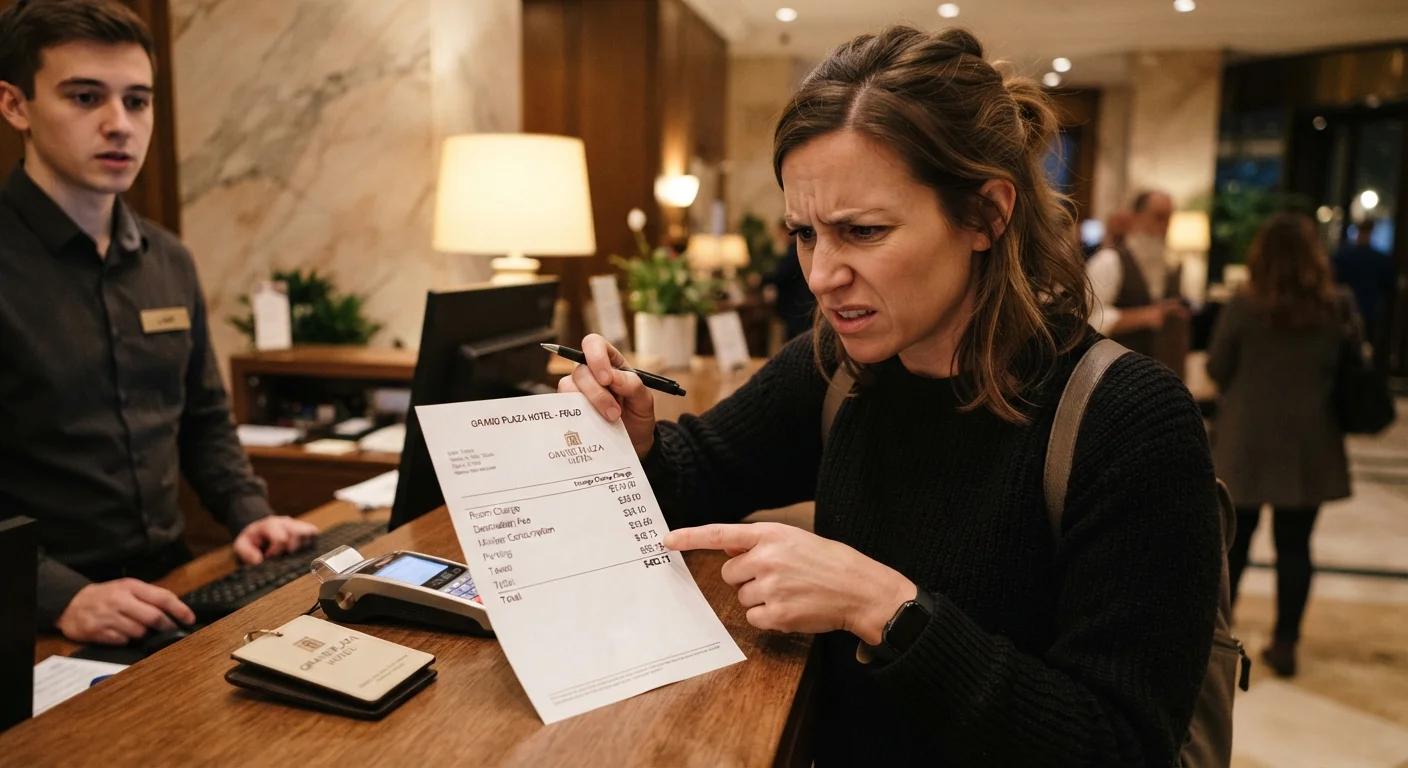
- Many hidden charges appear only at checkout — always review the itemized total before confirming.
- Dynamic currency conversion is an optional fee you can refuse at the point of payment.
- Short-term rental cleaning fees can rival the nightly rate itself on shorter stays.
- Knowing which fees are negotiable — and which aren't — puts you in a stronger position.
Why Your Travel Budget Rarely Matches Reality
You found the flight, locked in a hotel, and mapped out a rough daily budget. Then the final total appears — and it's noticeably higher than what you expected. This isn't coincidence. The travel industry relies heavily on a pricing model built around low advertised rates and a long tail of add-on charges that surface at checkout, at the gate, or at check-in.
Understanding where these fees hide — and how to anticipate them — is one of the most practical skills a budget-conscious traveler can develop. It belongs in every trip planning checklist long before you reach for a credit card. The list below covers the most common culprits, along with what to realistically expect and where to push back.
Hotel and Resort Fees
Resort fees — sometimes called amenity fees, destination fees, or facility charges — are mandatory daily surcharges added on top of the advertised room rate. They can range from $15 to well over $50 per night, and they're typically non-optional regardless of whether you use the pool, gym, or included Wi-Fi they're supposed to cover.
These fees are legal in the US but have attracted regulatory scrutiny. The Federal Trade Commission has taken steps toward requiring hotels to disclose mandatory charges upfront. In the meantime, the safest approach is to search for the property's full fee schedule before booking. Understanding hotel rate fine print can help you decode what's truly included and what will appear on checkout day.
Resort fees can add $50 or more per night to a rate that looked reasonable at first glance.
Airline Baggage and Seat Selection Fees
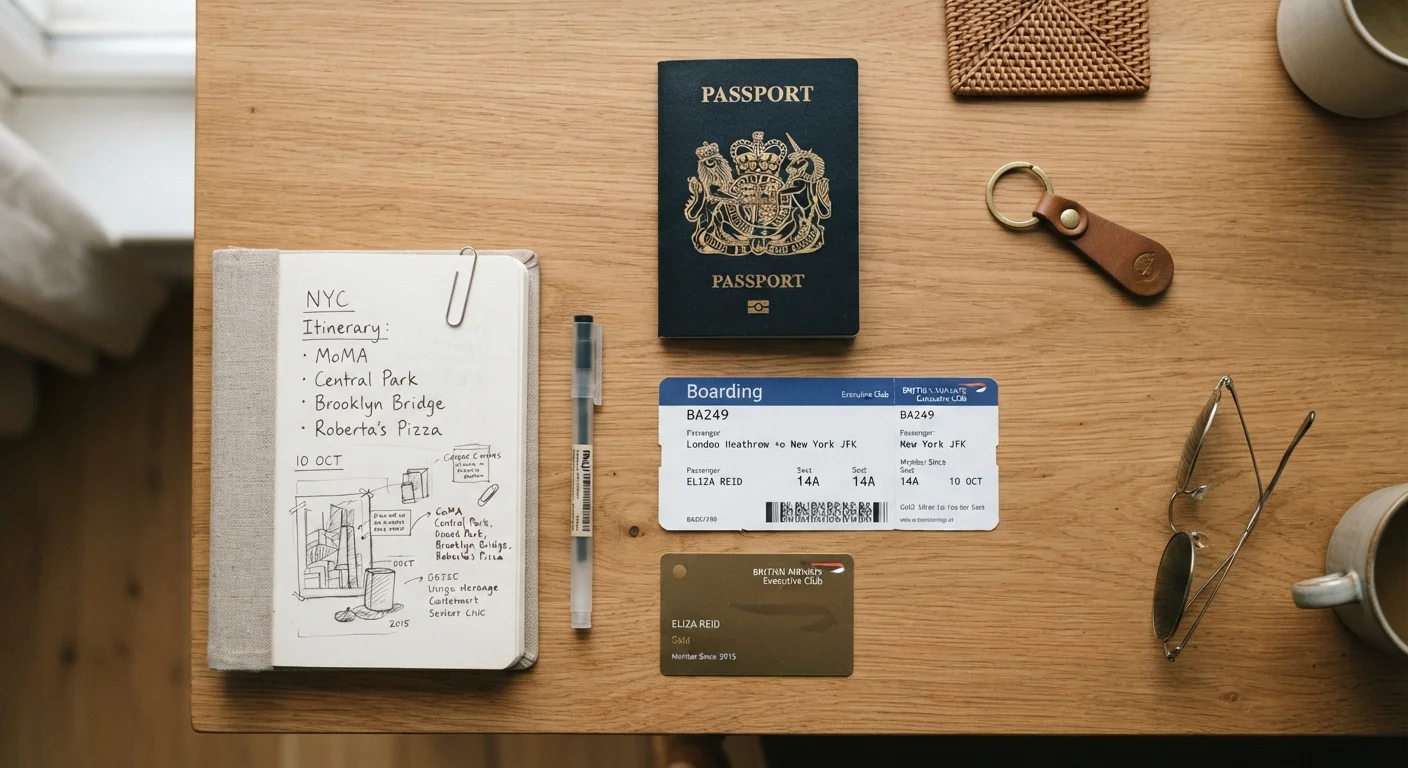
Base airfares — particularly on budget carriers — often exclude checked baggage, carry-on bags above a personal item, and any seat selection other than a random assignment at check-in. These aren't surprises buried in fine print so much as structural features of the low-cost model.
On some carriers, a single checked bag can add $35–$80 each way. Choosing a seat with extra legroom or selecting any specific seat at all can add another $10–$60 per leg. For a round trip with two passengers, baggage and seating fees alone can approach the cost of the original ticket. Budget airline fee structures vary significantly between carriers — comparing the all-in cost across airlines is worth the extra time.
Baggage and seating fees on a round trip can easily match or exceed the base ticket price.
Short-Term Rental Cleaning Fees
Home rental platforms frequently list per-night prices that look competitive with hotels, only for a one-time cleaning fee to inflate the total substantially on checkout. On a two-night stay, a $150 cleaning fee effectively doubles the nightly cost. Some listings also add service platform fees of 12–18% on top of the subtotal.
Before committing, calculate the total cost per night after all fees, and compare that figure directly against hotel alternatives — including any resort fees those properties charge. Understanding your lodging options gives a clearer picture of how different accommodation types stack up across different trip lengths.
On short stays, cleaning fees alone can make a rental more expensive than a comparable hotel room.
Foreign Transaction Fees
Many standard credit and debit cards charge a foreign transaction fee — typically 2–3% — on every purchase made in a foreign currency or processed through a non-US bank. On a $3,000 international trip, that's up to $90 in fees that appear as small additions to each charge rather than as a single visible line item.
Cards specifically designed for travel commonly waive these fees entirely. Checking your card's terms before departure — and carrying an alternative card if your primary one charges these fees — is a straightforward step that requires no in-the-moment decision-making abroad.
Foreign transaction fees accumulate invisibly across every international purchase on the wrong card.
Dynamic Currency Conversion
Dynamic currency conversion (DCC) is an optional service offered at many international payment terminals and ATMs. When the terminal detects a foreign card, it may offer to process the transaction in your home currency rather than the local one — often framed as a convenience. Accepting this typically means accepting an unfavorable exchange rate set by the merchant's payment processor, rather than your card network's rate.
The cost varies but is commonly 3–7% above the interbank rate. Choosing to pay in the local currency at international terminals — and selecting "decline conversion" or the local currency option — typically results in a better effective rate. Airport and travel overpayment patterns covers this and related traps in more detail.
Always pay in the local currency abroad — dynamic currency conversion quietly adds 3–7% to every transaction.
Booking Platform and Ticketing Service Fees
Third-party booking platforms — for flights, hotels, tours, and events — frequently add service fees that don't appear until the final checkout screen. These can range from a few dollars to 10–15% of the booking total. Some platforms also charge fees for cancellations or modifications that go beyond the supplier's own policy.
Booking directly with airlines and hotels isn't always cheaper, but it does tend to simplify the fee structure and can make changes easier to manage. Booking direct vs. third-party sites lays out the real tradeoffs — price isn't the only variable worth considering.
Platform service fees at checkout can add 10–15% to a booking that appeared cheaper than booking direct.
How to Travel Smarter Once You Know What to Watch For
Hidden fees don't disappear once you know about them, but awareness consistently reduces how much they cost you. A few habits make the biggest difference: always click through to the itemized total on any booking platform, read the property's fee disclosure page before confirming, and check your card's foreign transaction and currency conversion policies before you leave home.
Build Fees Into Your Budget from Day One
When estimating trip costs, add a 10–15% buffer specifically for unavoidable fees and surcharges. This isn't pessimism — it's an accurate reflection of how travel is priced. If the buffer goes unspent, you've simply come in under budget. If it's needed, you won't be scrambling to cover the gap.
Travel costs extend beyond the booking window too. For a broader look at where money quietly disappears, see the hidden costs draining your monthly budget and spending categories most people forget to budget for — many of the same patterns apply when planning a trip.
The goal isn't to eliminate every extra charge — some are unavoidable — but to ensure none of them come as a surprise. A budget built on the real total is a budget you can actually stick to.