

Key Takeaways
- Seller account age, feedback patterns, and fulfillment method are reliable early warning signs.
- Listing language quality, image sourcing, and pricing anomalies each signal counterfeit risk.
- Packaging inconsistencies and missing documentation are strong indicators after delivery.
- Cross-checking product details against the brand's official site is a quick, effective verification step.
- Reporting suspected fakes to the platform protects other shoppers and creates a paper trail.
What you will need
Why Counterfeits Are Harder to Spot Than Ever
Counterfeit goods have moved well beyond obvious knockoffs. Today's fakes routinely use accurate brand logos, legitimate-looking packaging, and product photos lifted directly from the brand's own materials. Sophisticated operations even replicate hologram stickers and certification marks. The result is that shoppers relying on appearance alone are at a significant disadvantage.
The counterfeiting problem is not limited to luxury goods. Everyday items — phone chargers, vitamins, cosmetics, children's toys — are frequently faked, often without meeting the safety standards of the authentic products they mimic. Understanding how to read a listing critically before clicking purchase is therefore a practical skill for any online shopper, not just those buying high-value items.
Counterfeits Can Carry Hidden Safety Risks
Fake electronics, personal care products, and children's items often skip safety certifications and use substandard materials. Beyond financial loss, a counterfeit product can pose genuine physical risks. If you suspect a received item may be unsafe — especially for a child or for electrical use — stop using it immediately and contact the platform's buyer protection team.
The steps below give you a repeatable process for evaluating listings before you buy and physical items once they arrive. For a broader view of evaluating whether an offer is genuinely worth taking, see our deal-checking checklist.
Reverse image search engine
Checks whether listing photos are stock images or appear across unrelated storefronts.
Brand's official website
Used to verify authorized retailers, authentic product specs, and correct packaging details.
Platform's seller feedback viewer
Lets you examine seller account age, review volume, and rating patterns for red flags.
Price history tool
Establishes a legitimate price baseline so you can identify suspiciously low offers.
How to Check for Counterfeits: Step-by-Step
Follow these steps in order — the earlier checks filter out the most obvious fakes before you spend time on deeper verification. Most evaluations take under twenty minutes once you are familiar with the process.
What you will need
Examine the seller's account profile
Before evaluating the product itself, scrutinize who is selling it. Look for the account creation date — a seller with thousands of reviews but an account opened only weeks ago is a strong red flag, as fraudsters often purchase or inflate feedback. Check whether reviews are concentrated in a short burst (a sign of manipulation) rather than spread naturally over time. Note whether the seller is fulfilled by the platform or ships directly; third-party direct shippers carry higher counterfeit risk in many categories.
Analyze the listing language and images
Read the product title and description carefully. Authentic brand listings use consistent, precise language; counterfeit listings frequently contain odd phrasing, inconsistent capitalization, or vague specs that avoid committing to certifiable details. Compare the listing images against those on the brand's official site — look for logo proportions, font styles, and color accuracy. Be alert to watermarks that don't match the brand or photos that show a product slightly different from the title.
See our guide to hidden listing red flags for a deeper breakdown of what well-crafted fakes typically omit.
Verify the price against a reliable baseline
Establish what the item legitimately sells for across authorized channels. A genuine discount typically reflects a sale event or seasonal clearance; a price that undercuts every authorized retailer by a large margin is a different signal entirely. Use a price tracking tool to see the item's historical range and confirm whether the current offer is genuinely unusual or simply the counterfeit's everyday price.
Cross-check product details with the brand directly
Visit the brand's official website and look up the exact model number, SKU, or serial number format shown in the listing. Authentic products have consistent identifiers; counterfeit listings often use real model numbers but pair them with incorrect specs or images. Some brands maintain authorized seller lists or offer serial number verification tools — use them if available. If the listing's product details don't match what the brand's site describes, treat it as a counterfeit risk.
Inspect packaging and documentation on arrival
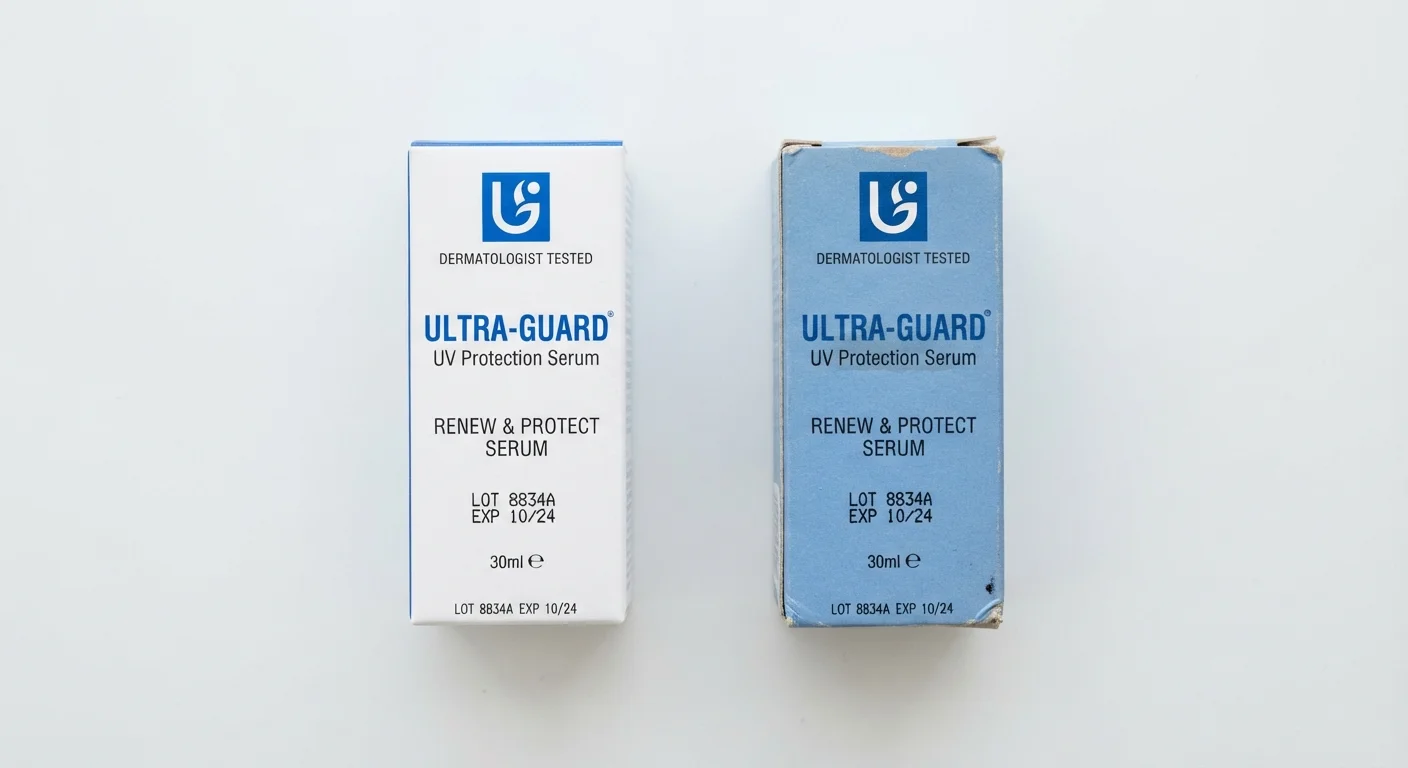
Even with pre-purchase checks, some counterfeits slip through. When the item arrives, examine the outer packaging before opening it: check font consistency, print quality, logo placement, and color accuracy against official brand imagery. Inside, look for included documentation — warranty cards, instruction manuals, and safety certifications. Authentic products in regulated categories (electronics, personal care, children's items) include verifiable certification marks. Missing, blurry, or poorly translated documentation is a strong post-delivery indicator of a counterfeit.
Report the listing and initiate a return if confirmed
If evidence points to a counterfeit, use the platform's built-in reporting tool to flag the listing — most major marketplaces have a dedicated 'report this item' flow for intellectual property violations. Initiate a return through the platform's buyer protection process, citing the product as 'not as described' or 'counterfeit.' Document everything: take clear photographs of the packaging, labels, and any included documentation before returning the item. Before acting on future offers, run through a full pre-purchase verification checklist to reduce repeat exposure.
Reverse-Search Product Images
Right-click any listing photo and run a reverse image search. If the same image appears across dozens of unrelated storefronts or on stock photo sites, the seller likely doesn't have the actual product. Authentic sellers typically photograph their own inventory.
Unusually Low Prices Are Not Always a Deal
A price that sits 40–70% below what every authorized retailer charges is more likely a counterfeit signal than a genuine markdown. Use price history data to establish a realistic baseline before assuming a steep discount is legitimate.
For additional context on how pricing patterns can reveal whether a listing is trustworthy, the Deal Finding Tips hub covers a range of verification strategies in one place.